












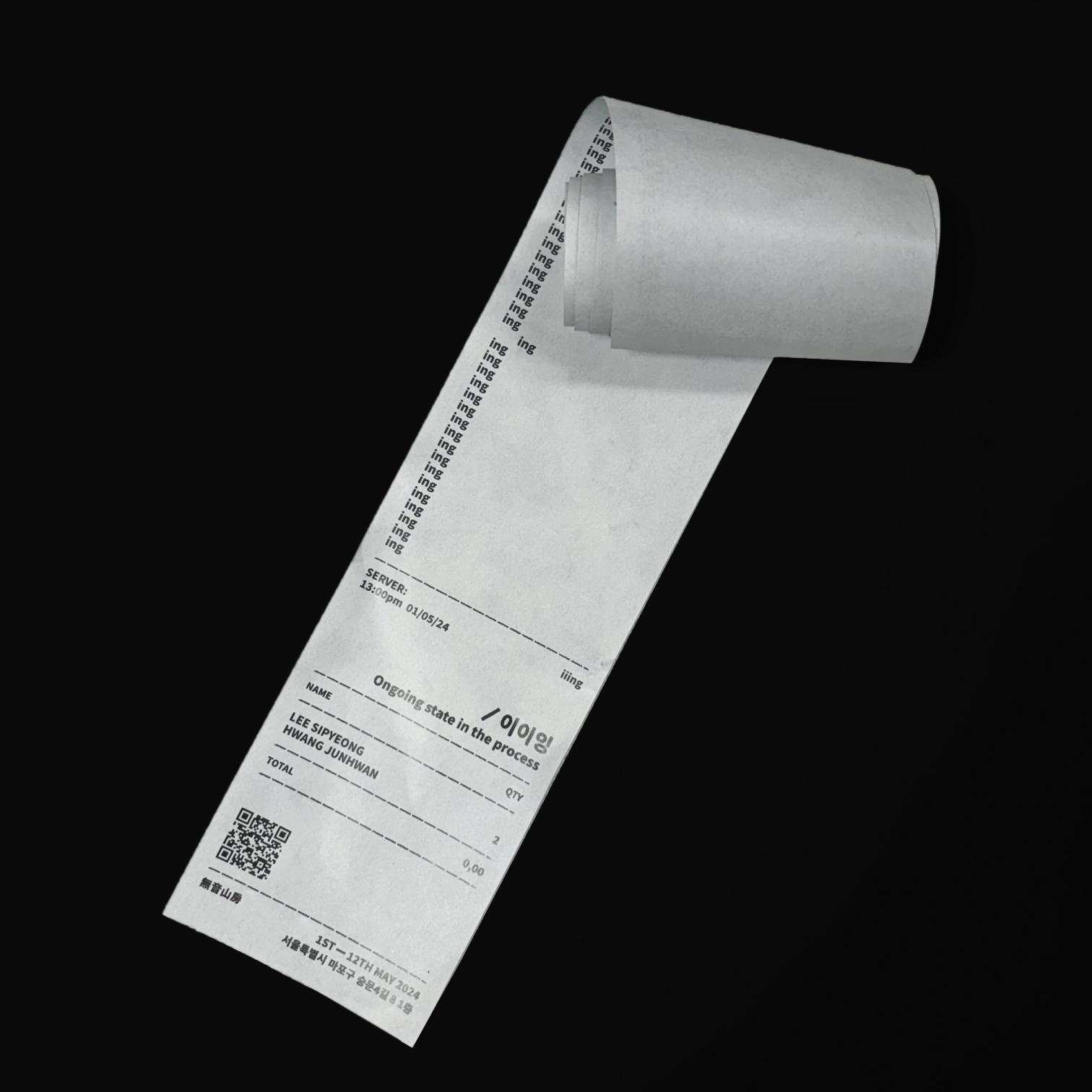
이이잉
iiing
주최: 무음산방
기획: 이시평, 황준환
포스터 디자인: 이시평, 김원영
Organized by Mueumsanbang
Curated by Sipyeong Lee, Junhwan Hwang
Poster Design by Sipyeong Lee, Wonyoung Kim
우리는 삶을 살아가며 목표한 지점에 도달하려고 노력하지만 항상 원하는 결과를 맞이할 수는 없다. 사회에서 요구하는 기준과 이것에 도달하려는 우리, 그리고 그 사이에서 끊임없이 일어나는 현재 진행형의 시도들. 삶이 무수한 과정의 연속이라면, 이것을 어떻게 바라보고 받아들여야 할까?
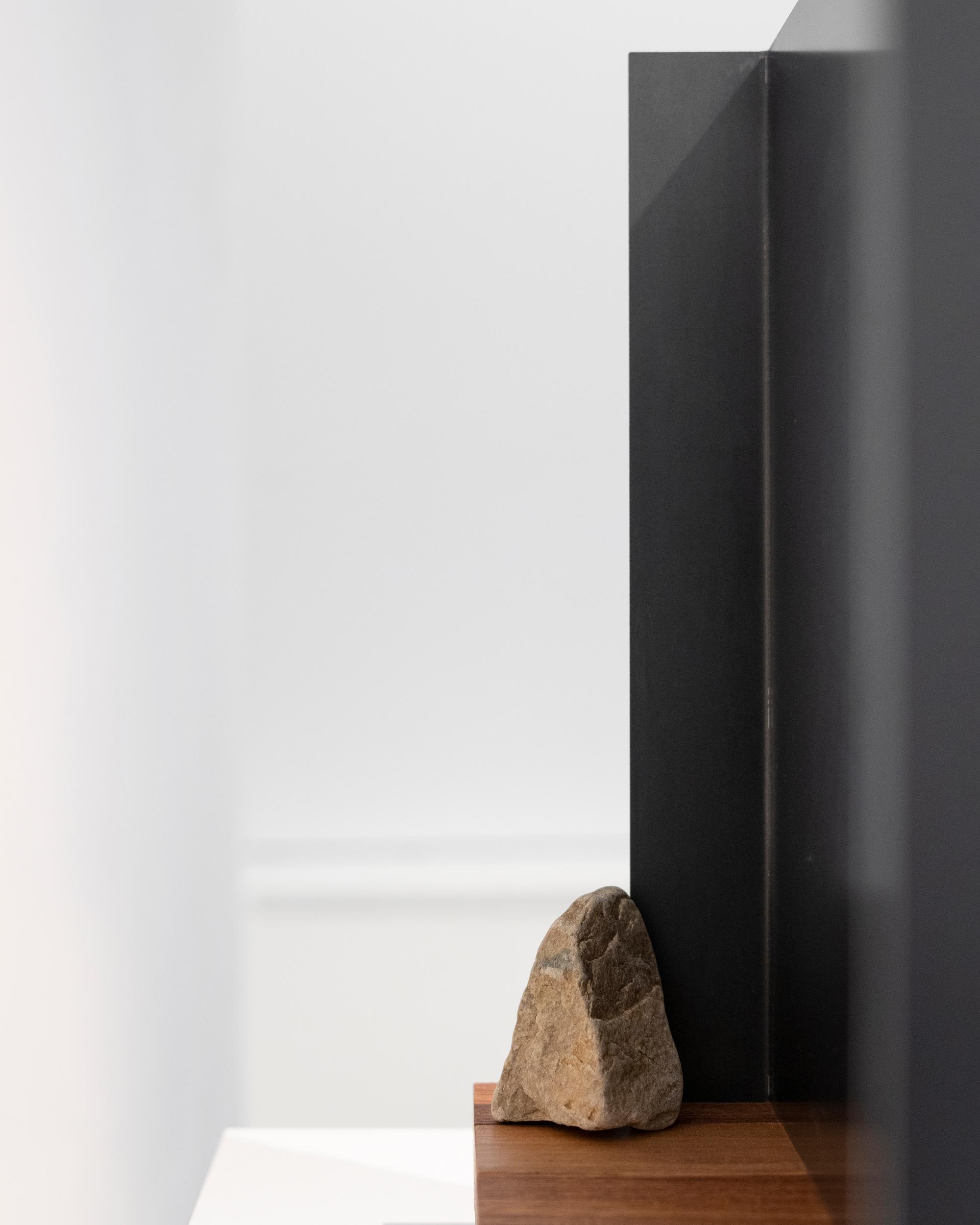
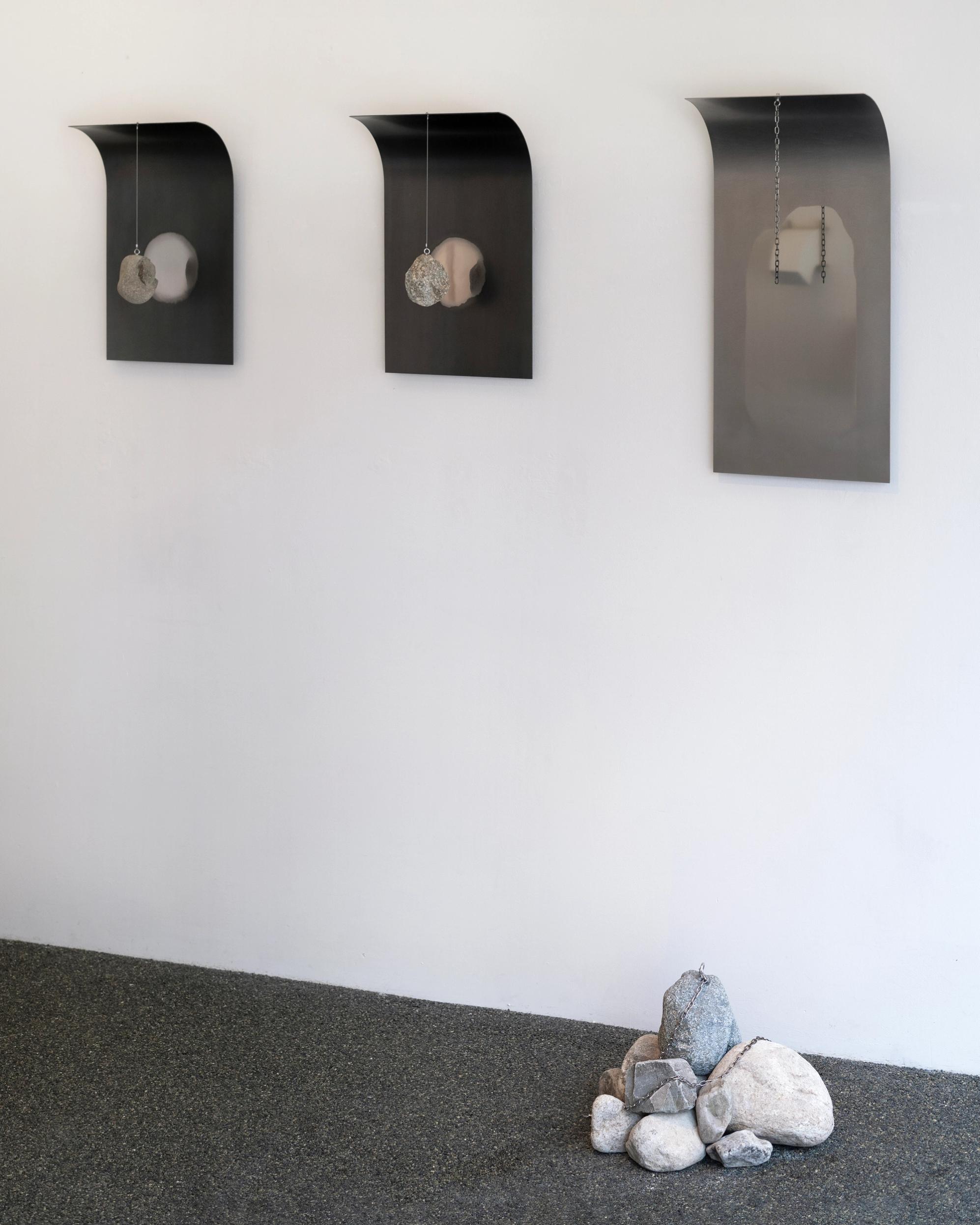
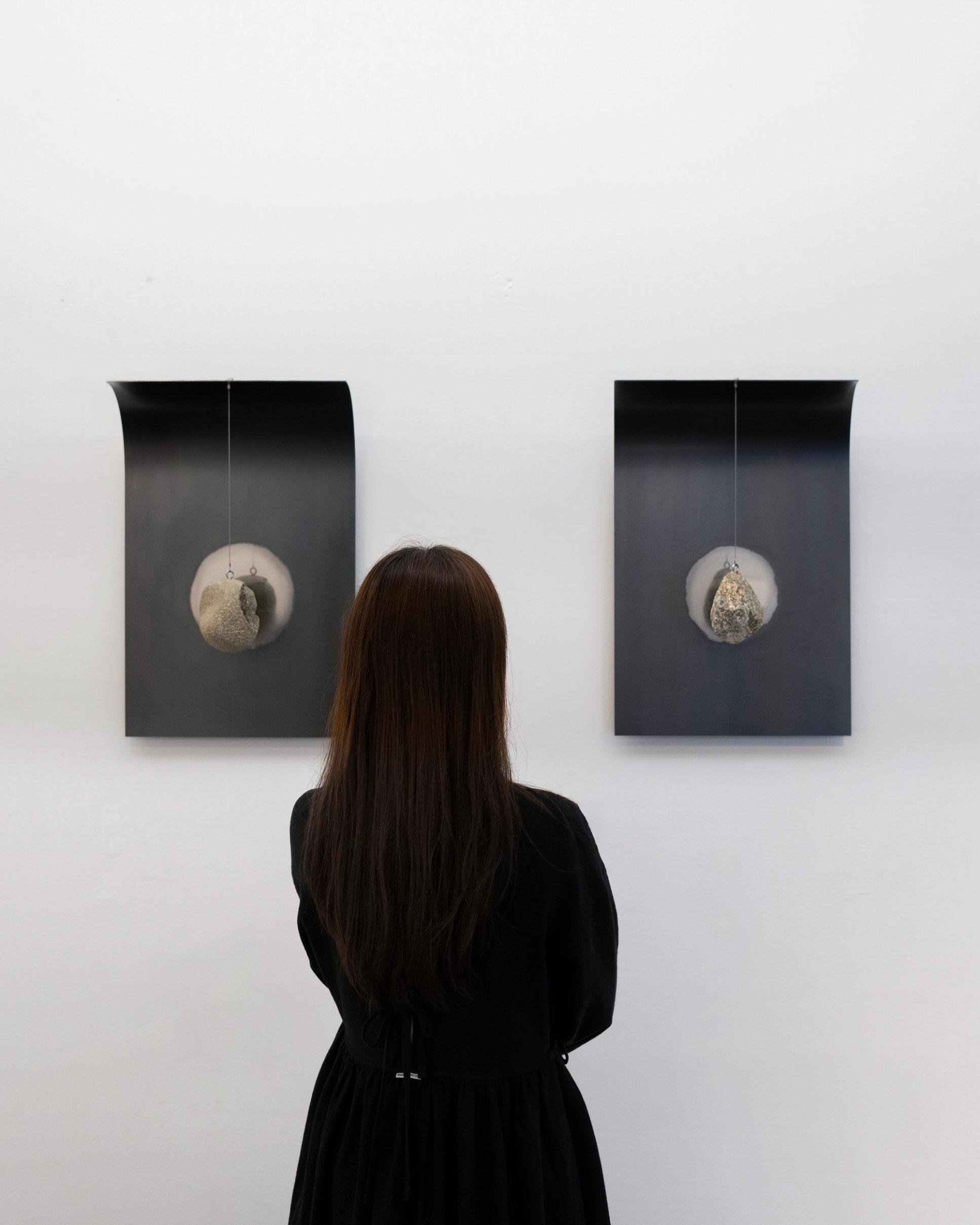
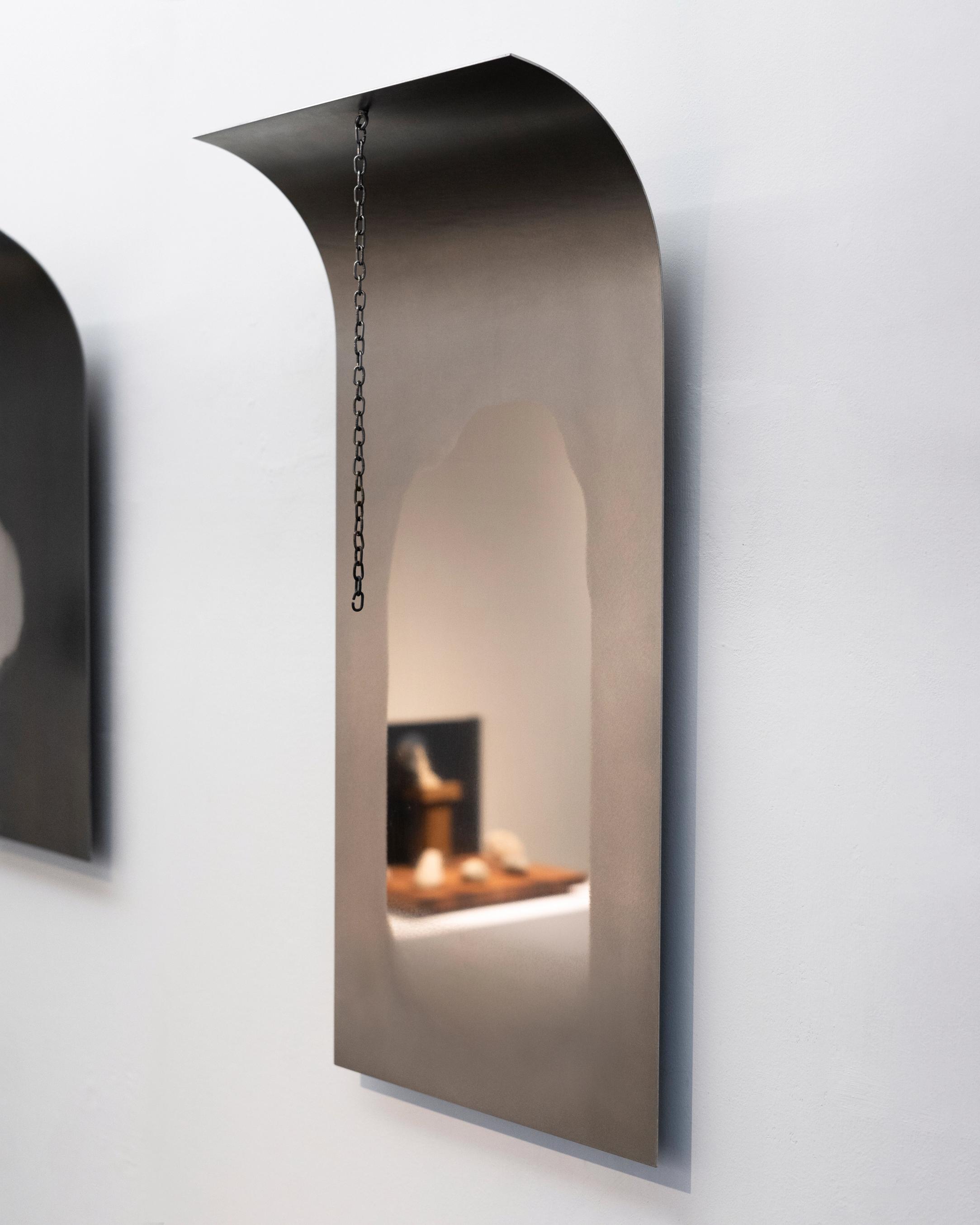
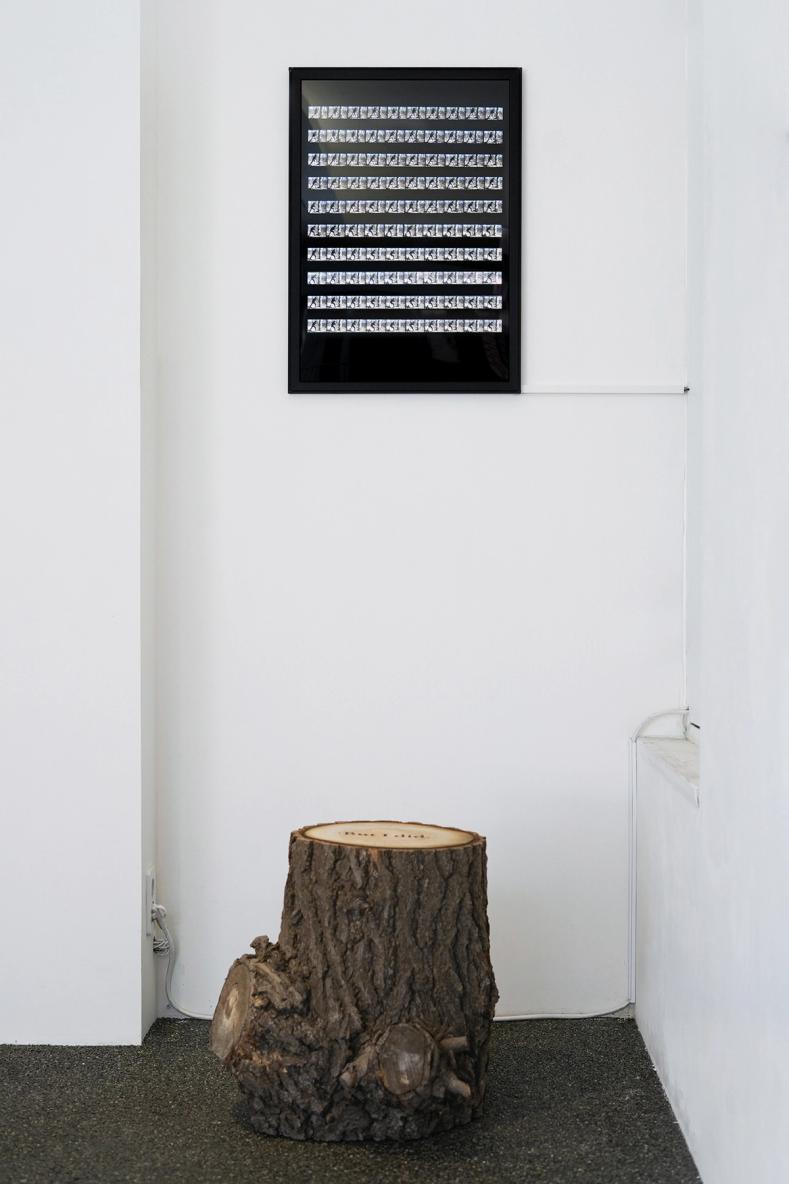
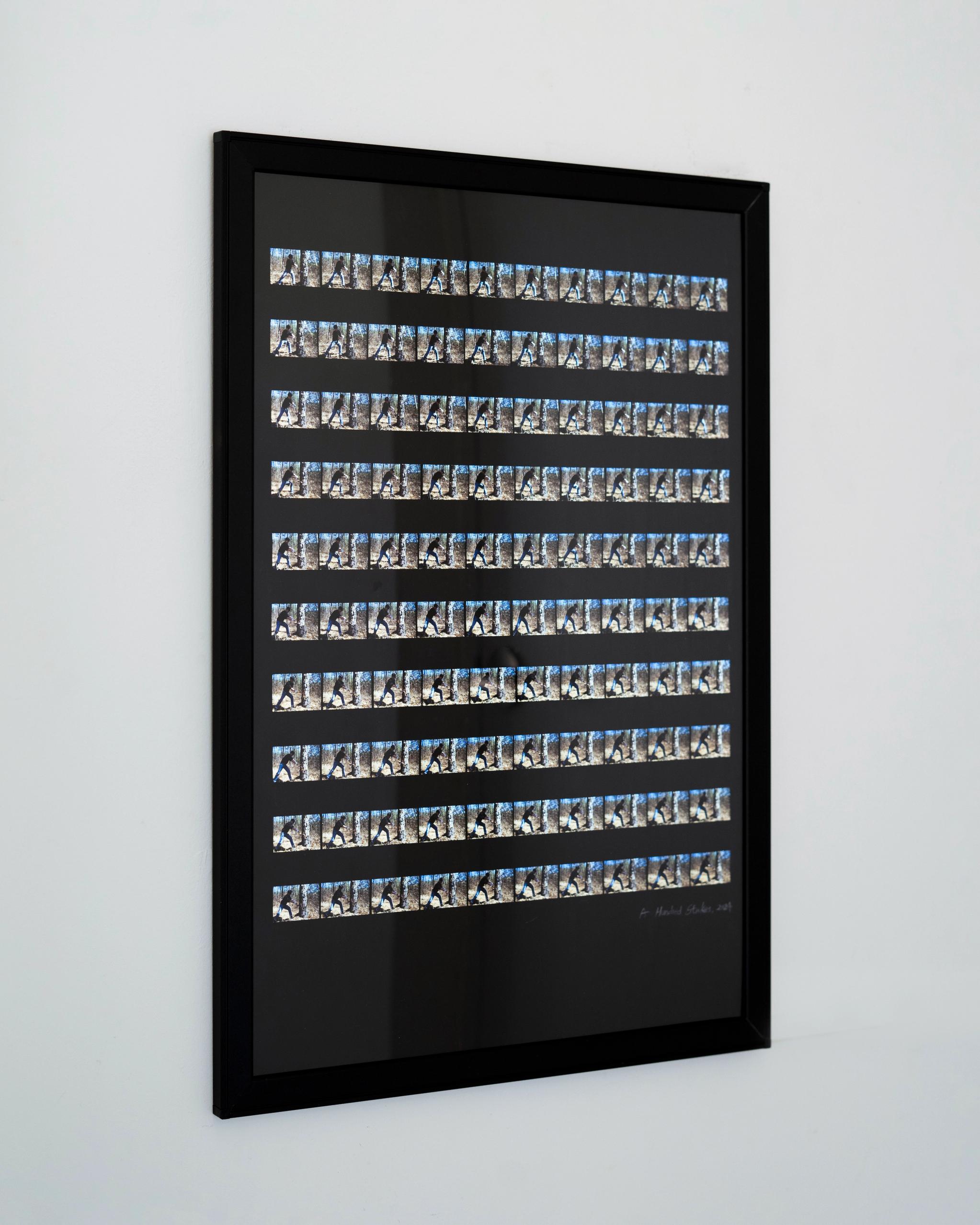
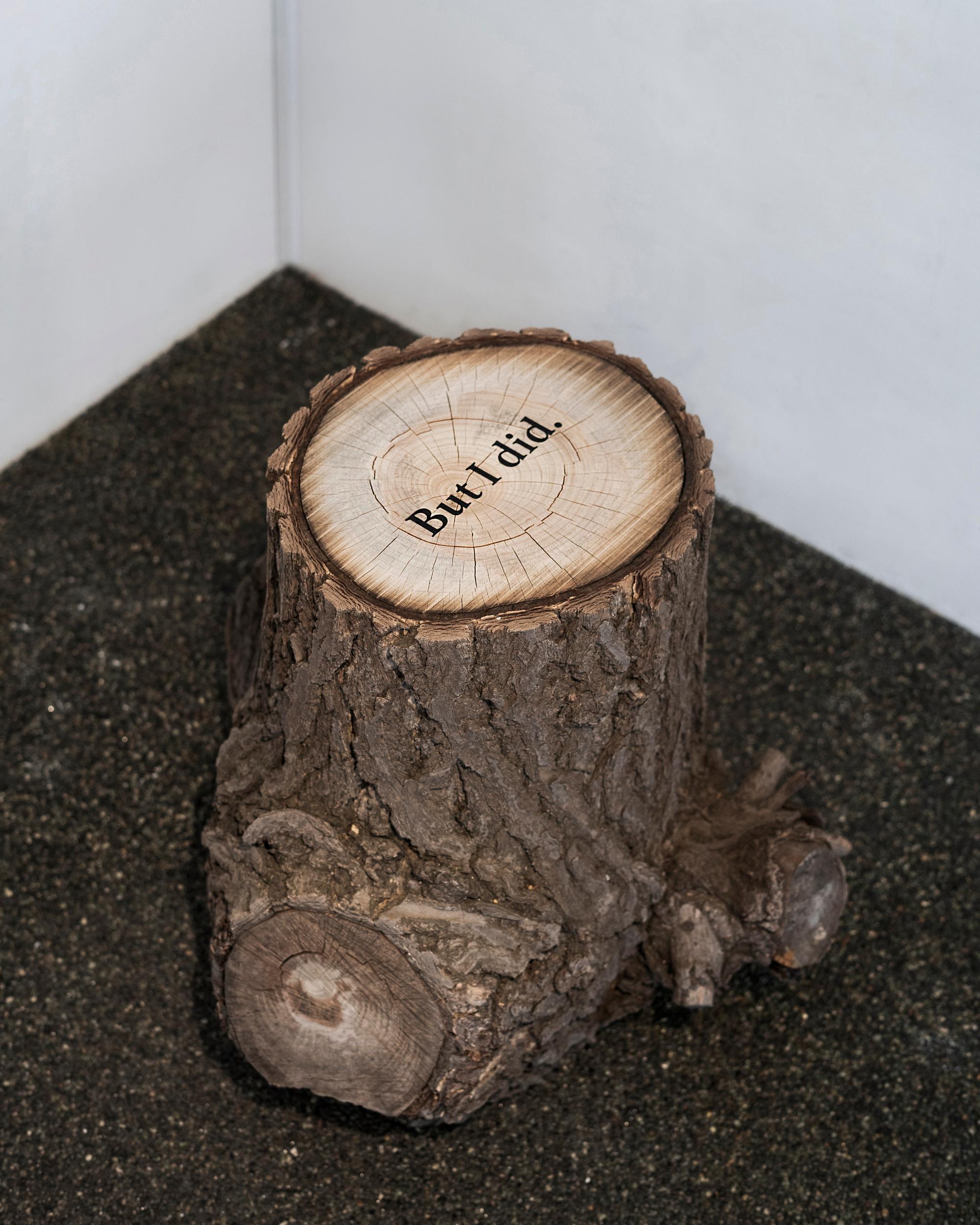
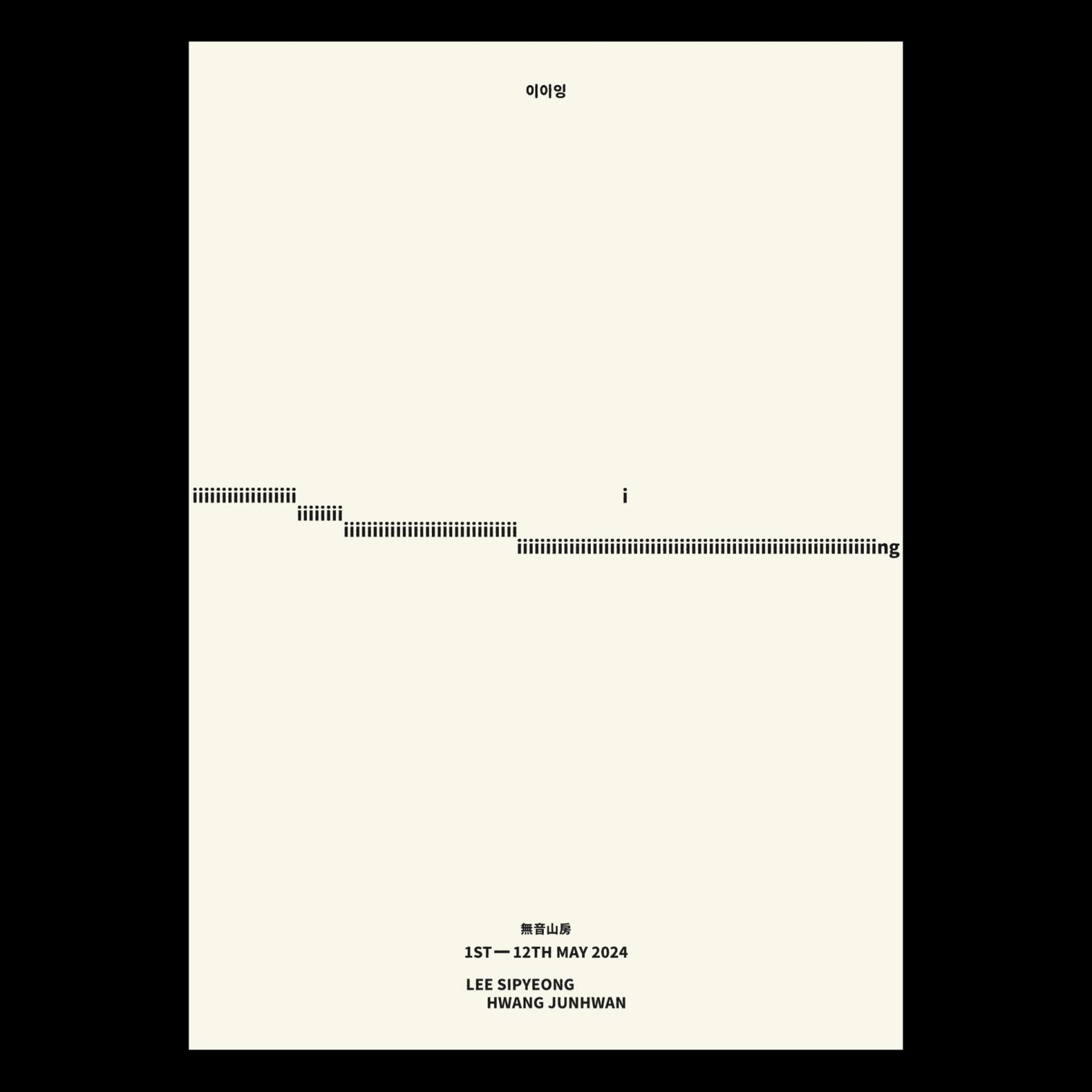
이시평과 황준환은 과정의 길에서 서 있는 미완의 작가들이다. 이들은 예술가로서 작업을 한다는 것, 더 나아가 한 개인으로서 삶을 살아간다는 것에 대해 고민하며 결과 지향적인 답보다는 현재 진행 중인 과정을 전시장에 언어유희처럼 늘어놓는다. 전시 제목 《이이잉(iiing)》은 영어의 접미사 ‘-ing’를 길게 늘여놓은 꼴로, 보통 ‘-ing’는 동사 뒤에 붙여 현재 일어나고 있는 동작을 강조한다. 또 문자 그대로 발음하게 되면 어린아이가 애교나 투정 따위를 부릴 때 내는 소리 같기도 하고, 무언가가 작동하며 변화하는 기계음을 연상시키기도 한다. 이처럼 ‘이이잉’이라는 의성의태어에서 느껴지는 고정 되어있지 않은 감각과 무언가가 되어가고 있는 상태에 집중하여 두 조형작가는 각기 다른 해석을 보여주고, ’과정 중에 있는 상태’를 어떻게 바라볼 것인지 질문을 던지고자 한다.
현실에서 마주하는 어려움에 이따금 투정을 부리지만, 더 나은 무언가로 변해가고자 노력하는 사람들. 완성되어있지 않기에 감히 늘어놓을 수 있는 이야기를 여기 풀어본다.
We strive throughout life to reach the goals we set, yet we cannot always arrive at the outcomes we desire. Between the standards demanded by society and our efforts to meet them lies an ongoing, continuous state of trial and movement. If life is an accumulation of countless processes, how should we perceive and accept this condition?
Sipyeong Lee and Junhwan Hwang are artists positioned along the path of process—still in a state of becoming. Reflecting on what it means to work as artists, and more broadly to live as individuals, they seek not definitive, result-oriented answers, but rather to unfold the ongoingness of process itself across the exhibition space, almost like a form of linguistic play. The exhibition title iiing is an extended form of the English suffix “-ing,” which is typically attached to verbs to emphasize actions currently in progress. Phonetically, it may resemble the sounds a child makes when expressing complaint or affection, while also evoking mechanical noises of something operating and transforming. In this way, iiing draws attention to the unstable, unfixed sensation of becoming, and to a state of continuous transformation. Through this, the exhibition presents differing interpretations by the two sculptural artists and raises questions about how we perceive states that are “in process.”
People who occasionally complain in the face of everyday difficulties, yet continue striving to become something better. This exhibition unfolds narratives that can only be spoken precisely because they are unfinished.
이이잉
주최: 무음산방
기획: 이시평, 황준환
포스터 디자인: 이시평, 김원영
우리는 삶을 살아가며 목표한 지점에 도달하려고 노력하지만 항상 원하는 결과를 맞이할 수는 없다. 사회에서 요구하는 기준과 이것에 도달하려는 우리, 그리고 그 사이에서 끊임없이 일어나는 현재 진행형의 시도들. 삶이 무수한 과정의 연속이라면, 이것을 어떻게 바라보고 받아들여야 할까?
이시평과 황준환은 과정의 길에서 서 있는 미완의 작가들이다. 이들은 예술가로서 작업을 한다는 것, 더 나아가 한 개인으로서 삶을 살아간다는 것에 대해 고민하며 결과 지향적인 답보다는 현재 진행 중인 과정을 전시장에 언어유희처럼 늘어놓는다. 전시 제목 《이이잉(iiing)》은 영어의 접미사 ‘-ing’를 길게 늘여놓은 꼴로, 보통 ‘-ing’는 동사 뒤에 붙여 현재 일어나고 있는 동작을 강조한다. 또 문자 그대로 발음하게 되면 어린아이가 애교나 투정 따위를 부릴 때 내는 소리 같기도 하고, 무언가가 작동하며 변화하는 기계음을 연상시키기도 한다. 이처럼 ‘이이잉’이라는 의성의태어에서 느껴지는 고정 되어있지 않은 감각과 무언가가 되어가고 있는 상태에 집중하여 두 조형작가는 각기 다른 해석을 보여주고, ’과정 중에 있는 상태’를 어떻게 바라볼 것인지 질문을 던지고자 한다.
현실에서 마주하는 어려움에 이따금 투정을 부리지만, 더 나은 무언가로 변해가고자 노력하는 사람들. 완성되어있지 않기에 감히 늘어놓을 수 있는 이야기를 여기 풀어본다.
iiing
Organized by Mueumsanbang
Curated by Sipyeong Lee, Junhwan Hwang
Poster Design by Sipyeong Lee, Wonyoung Kim
We strive throughout life to reach the goals we set, yet we cannot always arrive at the outcomes we desire. Between the standards demanded by society and our efforts to meet them lies an ongoing, continuous state of trial and movement. If life is an accumulation of countless processes, how should we perceive and accept this condition?
Sipyeong Lee and Junhwan Hwang are artists positioned along the path of process—still in a state of becoming. Reflecting on what it means to work as artists, and more broadly to live as individuals, they seek not definitive, result-oriented answers, but rather to unfold the ongoingness of process itself across the exhibition space, almost like a form of linguistic play. The exhibition title iiing is an extended form of the English suffix “-ing,” which is typically attached to verbs to emphasize actions currently in progress. Phonetically, it may resemble the sounds a child makes when expressing complaint or affection, while also evoking mechanical noises of something operating and transforming. In this way, iiing draws attention to the unstable, unfixed sensation of becoming, and to a state of continuous transformation. Through this, the exhibition presents differing interpretations by the two sculptural artists and raises questions about how we perceive states that are “in process.”
People who occasionally complain in the face of everyday difficulties, yet continue striving to become something better. This exhibition unfolds narratives that can only be spoken precisely because they are unfinished.