




통과의례
Rite of Passage
주최: 서울공예박물관
지원: 서울문화재단
기획: 이시평
Organized by Seoul Museum of Craft Art
Supported by Seoul Foundation for Arts and Culture
Curated by Sipyeong Lee
민족학자 아르놀트 반 헤네프가 고안한 '통과의례'는 출생, 성장, 결혼, 죽음 등 인간이 성장하는 과정에서 다음 단계로 나아가기 위해 거쳐야 하는 의례를 뜻한다. 통과의례는 과거 원시 부족 사회에 서 성숙한 어른을 만들어내는 사회적 시스템이었으며, 영웅 신화에서는 소년소녀가 죽음에 버금가는 시련을 겪은 뒤 새로운 영웅 적 존재로 재탄생하는 이야기의 구조로 사용되었다. 지금 이 순간에도 통과의례의 개념은 다양한 사회 공동체에 적용되며 자신의 정체성을 찾아 나가고자 하는 현대인의 크고 작은 움직임을 수반하고 있다.
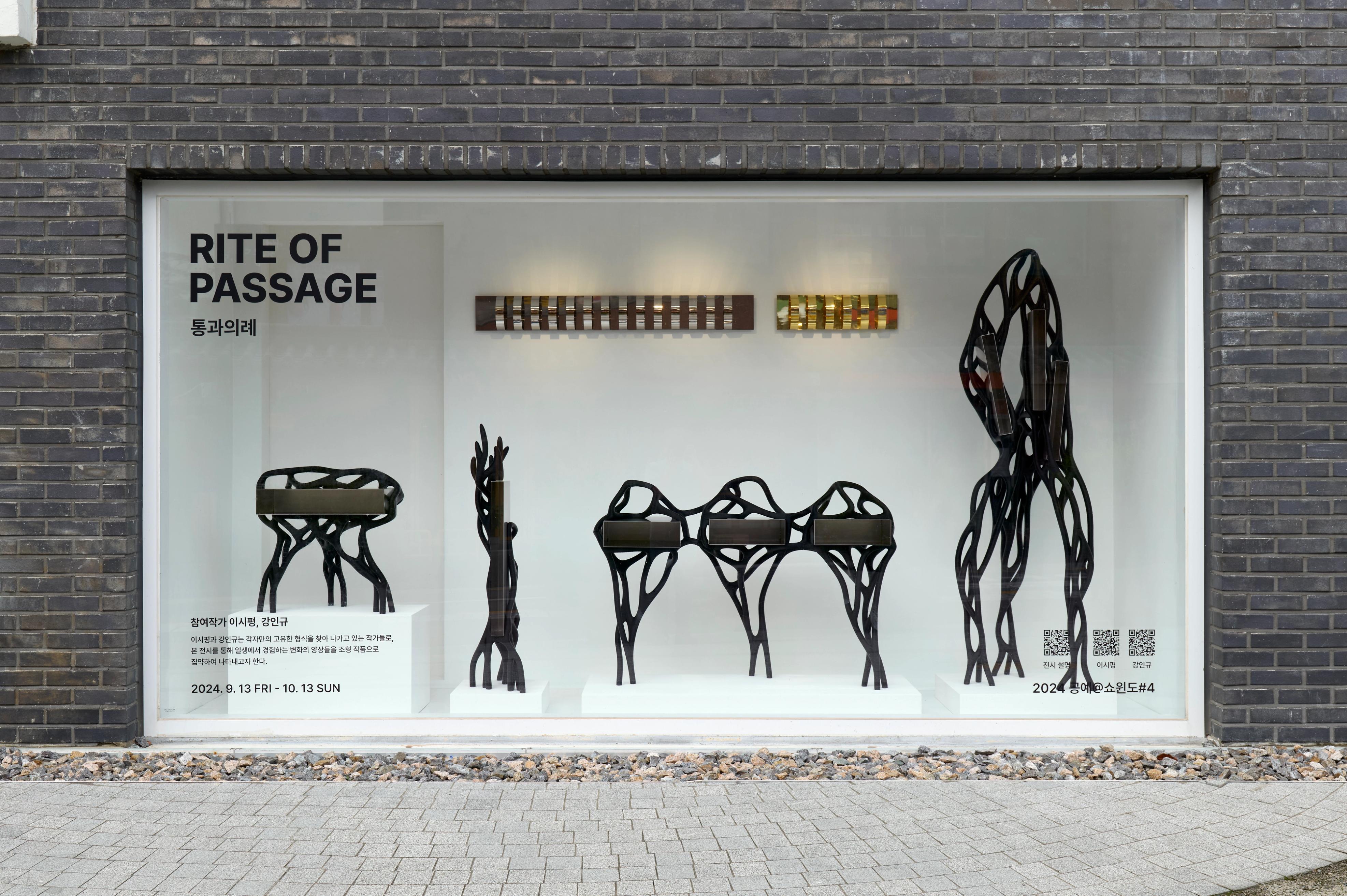
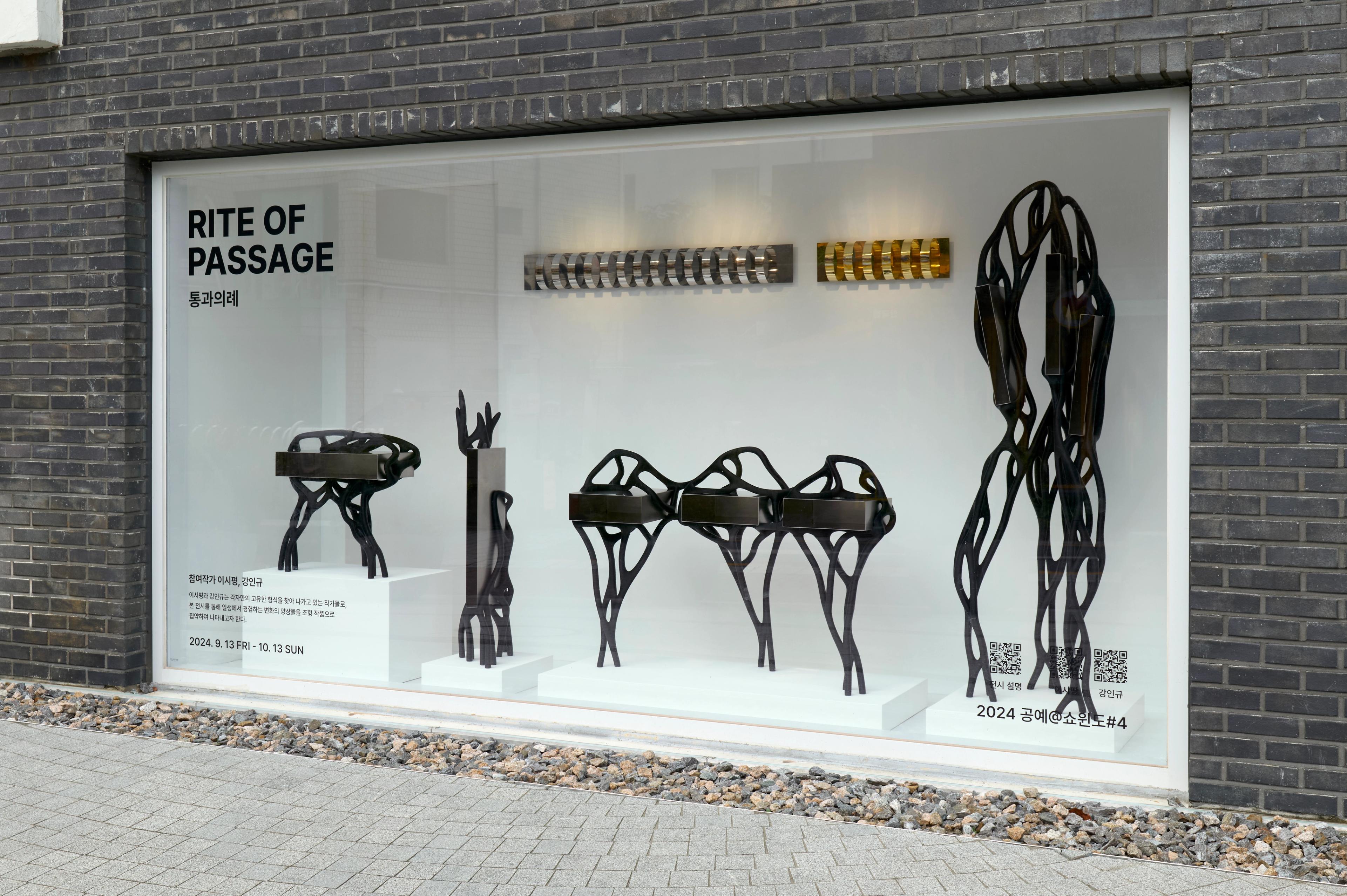
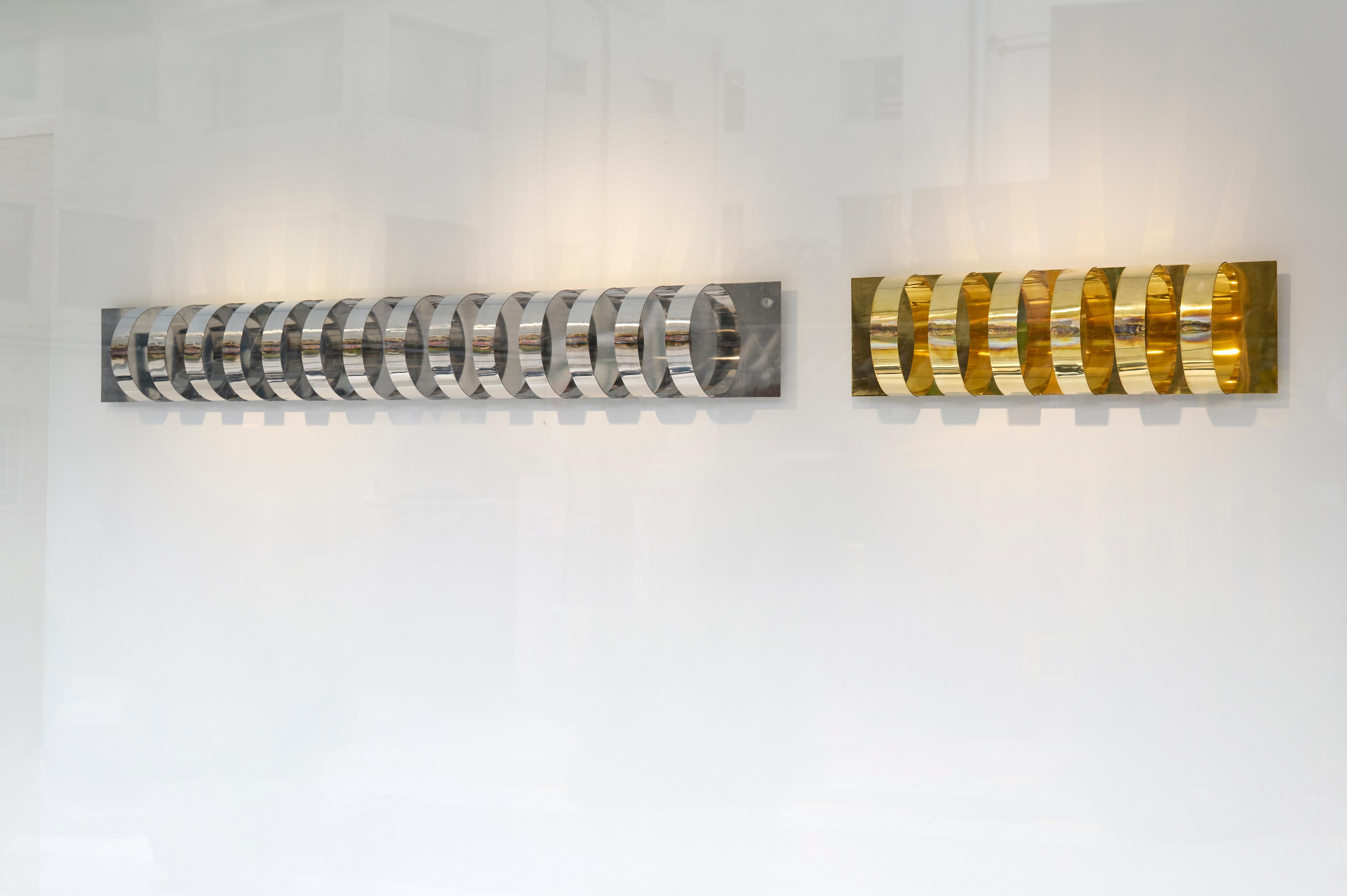
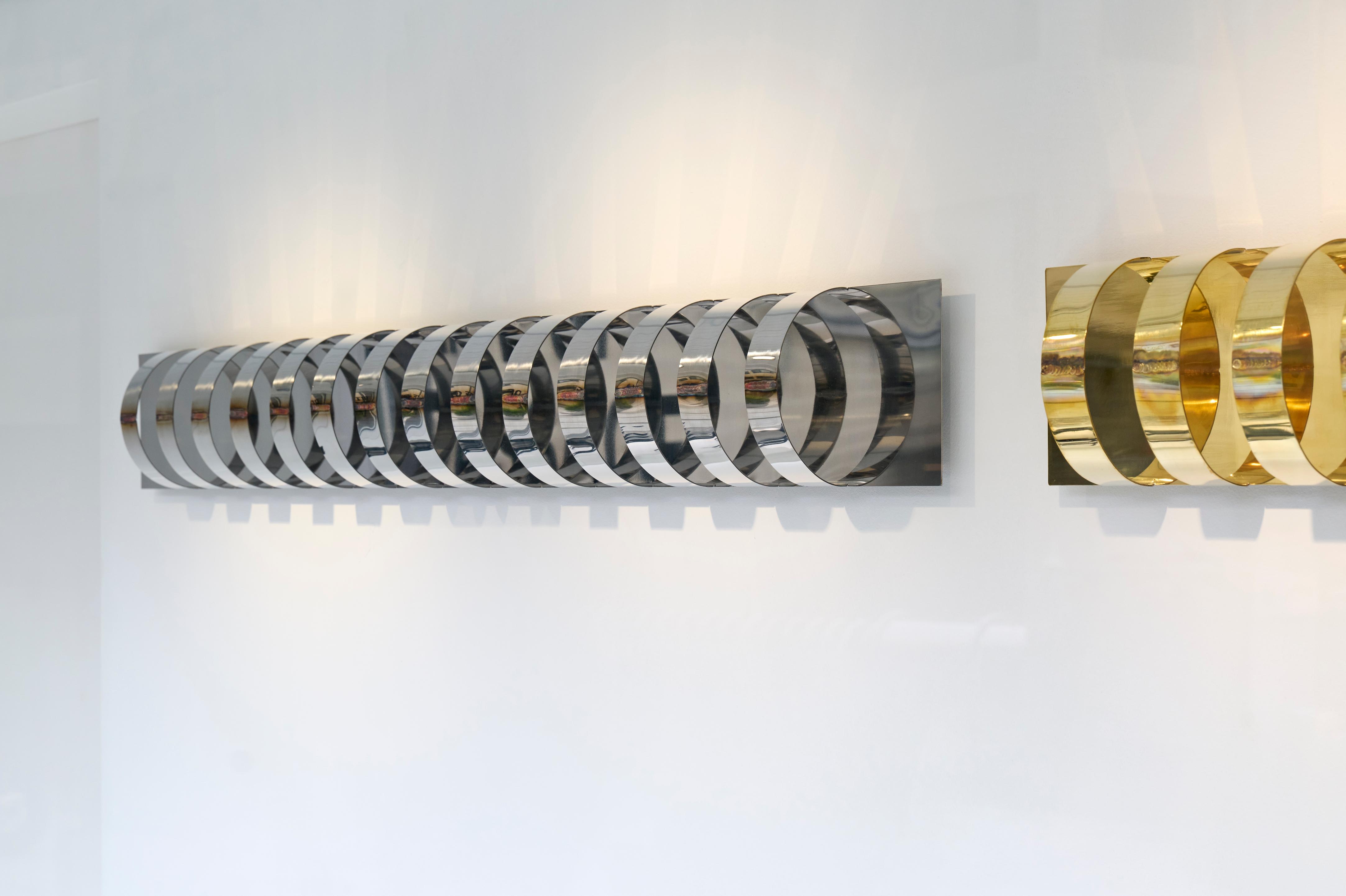
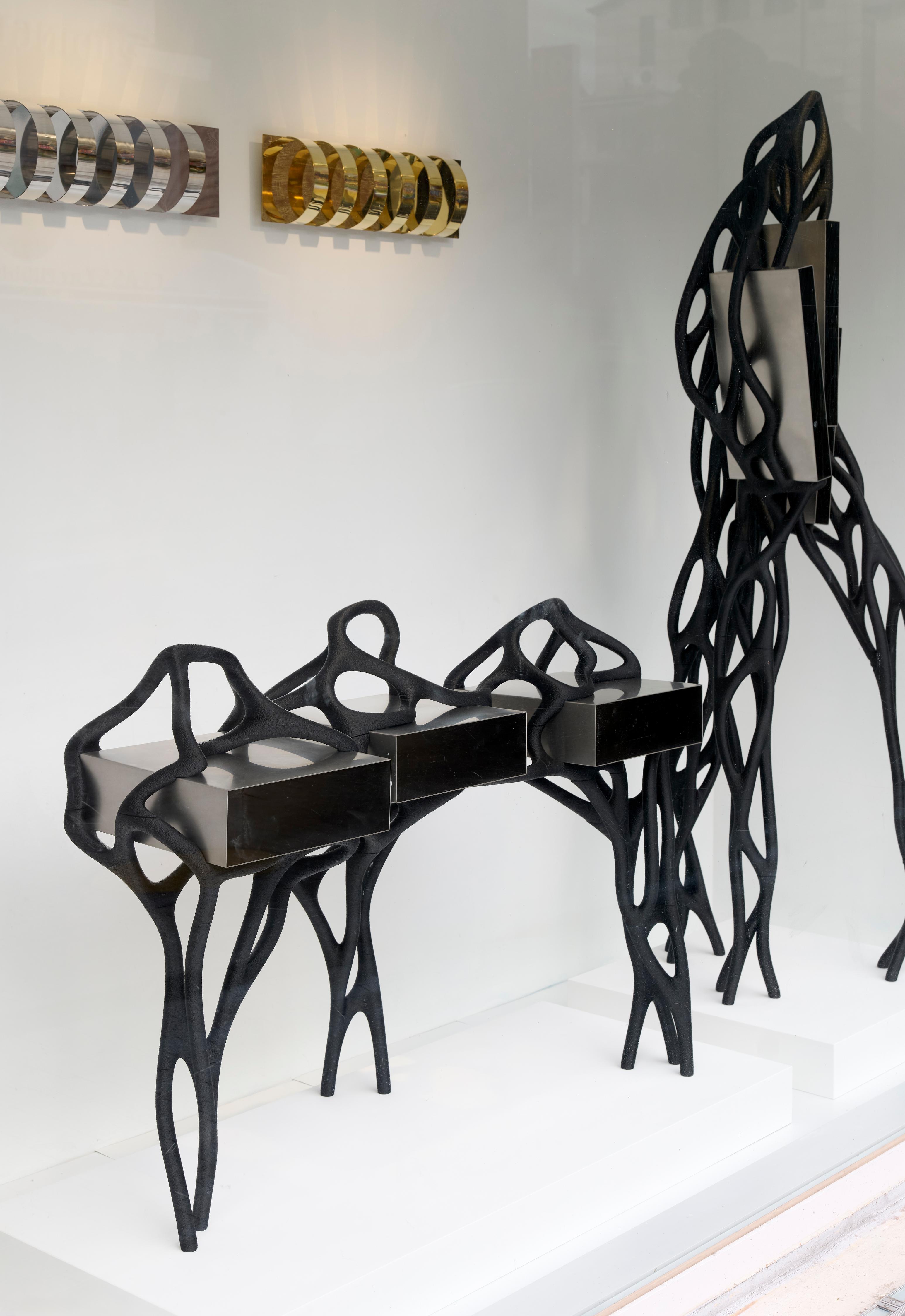
이시평과 강인규는 각자만의 고유한 형식을 찾아 나가고 있는 신진 작가들로, 본 전시를 통해 일생에서 경험하는 변화의 양상들을 조형 작품으로 집약하여 나타내고자 한다. 이색적인 재료인 금속과 PLA를 혼합하여 탄생한 작품은 마치 벽을 뚫고 자라는 식물처럼 휘어지고 솟아오르며, 전시장의 공간을 점유한다. 극적인 형태로 편집된 작품은 비록 고정된 조각의 상태로 관람객을 맞이하지만, 고개를 돌린 순간 또 다른 내일의 움직임을 예고하는 유동적인 에너지가 눈앞에 펼쳐지는 듯하다. 고민이 확신으로, 다시 확신이 고민으로. 반복되는 통로 속에서 멈추지 않고 생동하는 이들의 다음 단계는 어디로, 어떻게 이어질까.
The concept of the “rite of passage,” introduced by anthropologist Arnold van Gennep, refers to the rituals that mark the transitions individuals undergo throughout life—birth, growth, marriage, and death—as they move from one stage to the next. In so-called primitive tribal societies, rites of passage functioned as social systems through which immature members were transformed into adults. In heroic myths, they often appeared as narrative structures in which young protagonists endured trials akin to death before being reborn as heroic figures. Even today, the concept continues to resonate across diverse social communities, accompanying the many visible and invisible efforts through which individuals seek to define their identities.
As emerging artists developing their own distinct artistic languages, Sipyeong Lee and Ingyu Kang seek to condense the various forms of transformation experienced throughout life into sculptural works. Combining the contrasting materials of metal and PLA, they create forms that bend, rise, and spread through space like plants breaking through a wall. Though the works greet viewers as seemingly fixed sculptures, their dramatically composed forms evoke a sense of latent energy, as if another movement were already unfolding beyond the present moment. Doubt becomes conviction, and conviction once again gives way to doubt. Within this recurring passage, where movement never ceases, where might the next stage of their journey lead, and in what form will it emerge?
통과의례
주최: 서울공예박물관
지원: 서울문화재단
기획: 이시평
민족학자 아르놀트 반 헤네프가 고안한 '통과의례'는 출생, 성장, 결혼, 죽음 등 인간이 성장하는 과정에서 다음 단계로 나아가기 위해 거쳐야 하는 의례를 뜻한다. 통과의례는 과거 원시 부족 사회에 서 성숙한 어른을 만들어내는 사회적 시스템이었으며, 영웅 신화에서는 소년소녀가 죽음에 버금가는 시련을 겪은 뒤 새로운 영웅 적 존재로 재탄생하는 이야기의 구조로 사용되었다. 지금 이 순간에도 통과의례의 개념은 다양한 사회 공동체에 적용되며 자신의 정체성을 찾아 나가고자 하는 현대인의 크고 작은 움직임을 수반하고 있다.
이시평과 강인규는 각자만의 고유한 형식을 찾아 나가고 있는 신진 작가들로, 본 전시를 통해 일생에서 경험하는 변화의 양상들을 조형 작품으로 집약하여 나타내고자 한다. 이색적인 재료인 금속과 PLA를 혼합하여 탄생한 작품은 마치 벽을 뚫고 자라는 식물처럼 휘어지고 솟아오르며, 전시장의 공간을 점유한다. 극적인 형태로 편집된 작품은 비록 고정된 조각의 상태로 관람객을 맞이하지만, 고개를 돌린 순간 또 다른 내일의 움직임을 예고하는 유동적인 에너지가 눈앞에 펼쳐지는 듯하다. 고민이 확신으로, 다시 확신이 고민으로. 반복되는 통로 속에서 멈추지 않고 생동하는 이들의 다음 단계는 어디로, 어떻게 이어질까.
Rite of Passage
Organized by Seoul Museum of Craft Art
Supported by Seoul Foundation for Arts and Culture
Curated by Sipyeong Lee
The concept of the “rite of passage,” introduced by anthropologist Arnold van Gennep, refers to the rituals that mark the transitions individuals undergo throughout life—birth, growth, marriage, and death—as they move from one stage to the next. In so-called primitive tribal societies, rites of passage functioned as social systems through which immature members were transformed into adults. In heroic myths, they often appeared as narrative structures in which young protagonists endured trials akin to death before being reborn as heroic figures. Even today, the concept continues to resonate across diverse social communities, accompanying the many visible and invisible efforts through which individuals seek to define their identities.
As emerging artists developing their own distinct artistic languages, Sipyeong Lee and Ingyu Kang seek to condense the various forms of transformation experienced throughout life into sculptural works. Combining the contrasting materials of metal and PLA, they create forms that bend, rise, and spread through space like plants breaking through a wall. Though the works greet viewers as seemingly fixed sculptures, their dramatically composed forms evoke a sense of latent energy, as if another movement were already unfolding beyond the present moment. Doubt becomes conviction, and conviction once again gives way to doubt. Within this recurring passage, where movement never ceases, where might the next stage of their journey lead, and in what form will it emerge?