




















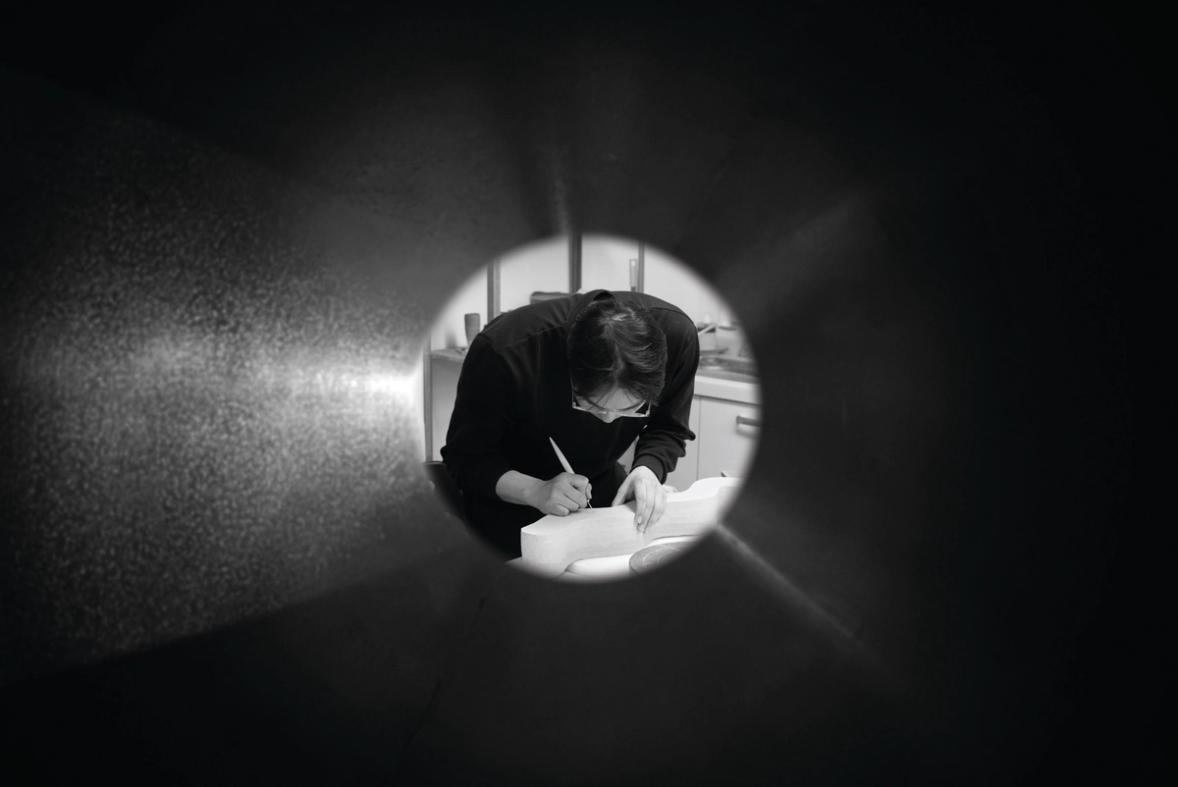
통과의례: 통로를 지나서
Through the Passage
주최: 서울신당창작아케이드
지원: 서울문화재단
기획: 이시평
Organized by Seoul Art Space Sindang
Supported by Seoul Foundation for Arts and Culture
Curated by Sipyeong Lee
“통과의례는 방과 복도로 나뉜 집과 같으며, 개인이 한 집단에서 다른 집단으로 이동할 때 통과가 이루어진다.”
— 아르놀드 반 헤네프(Arnold van Gennep), 『통과의례(Les rites de passage)』, 1909
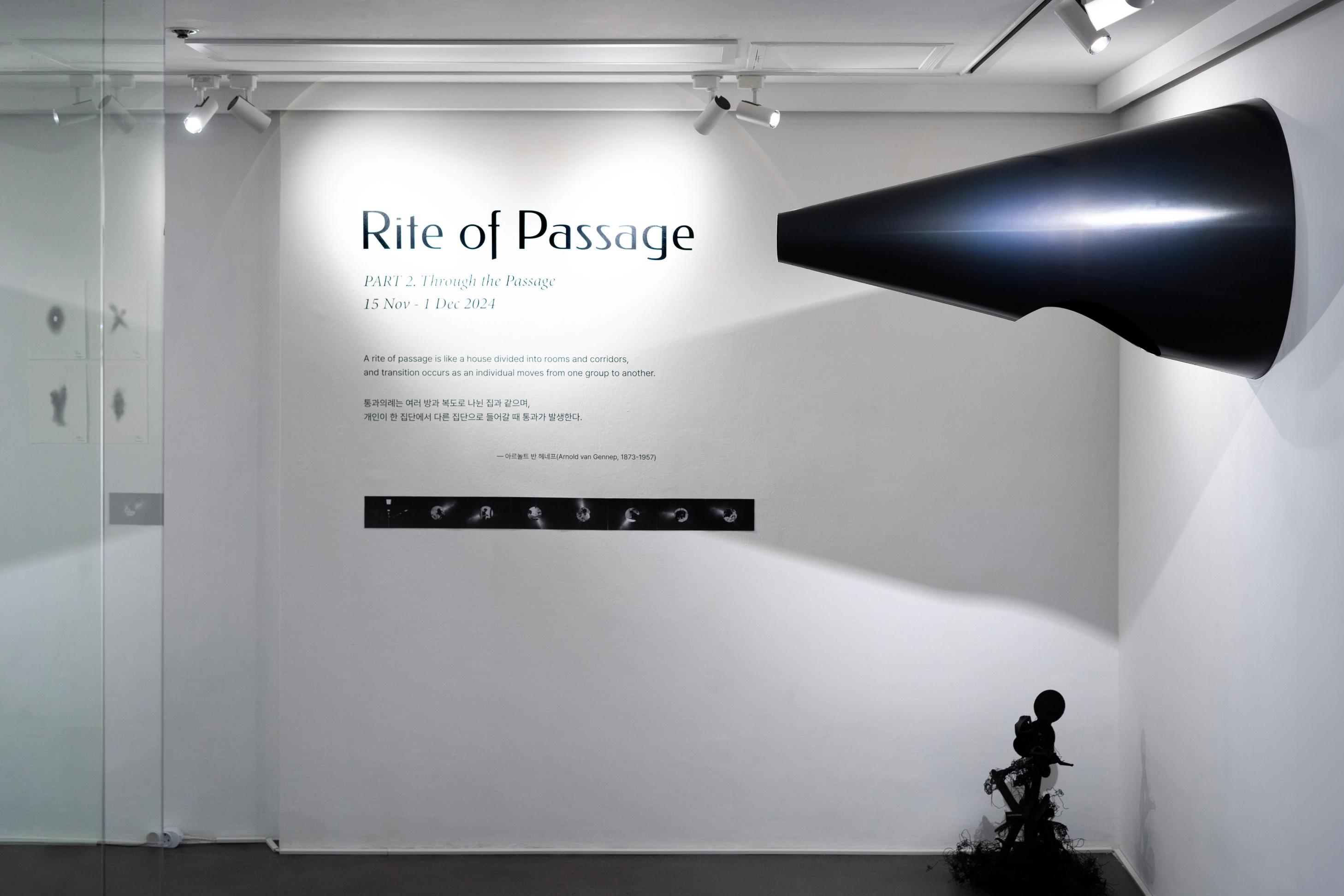
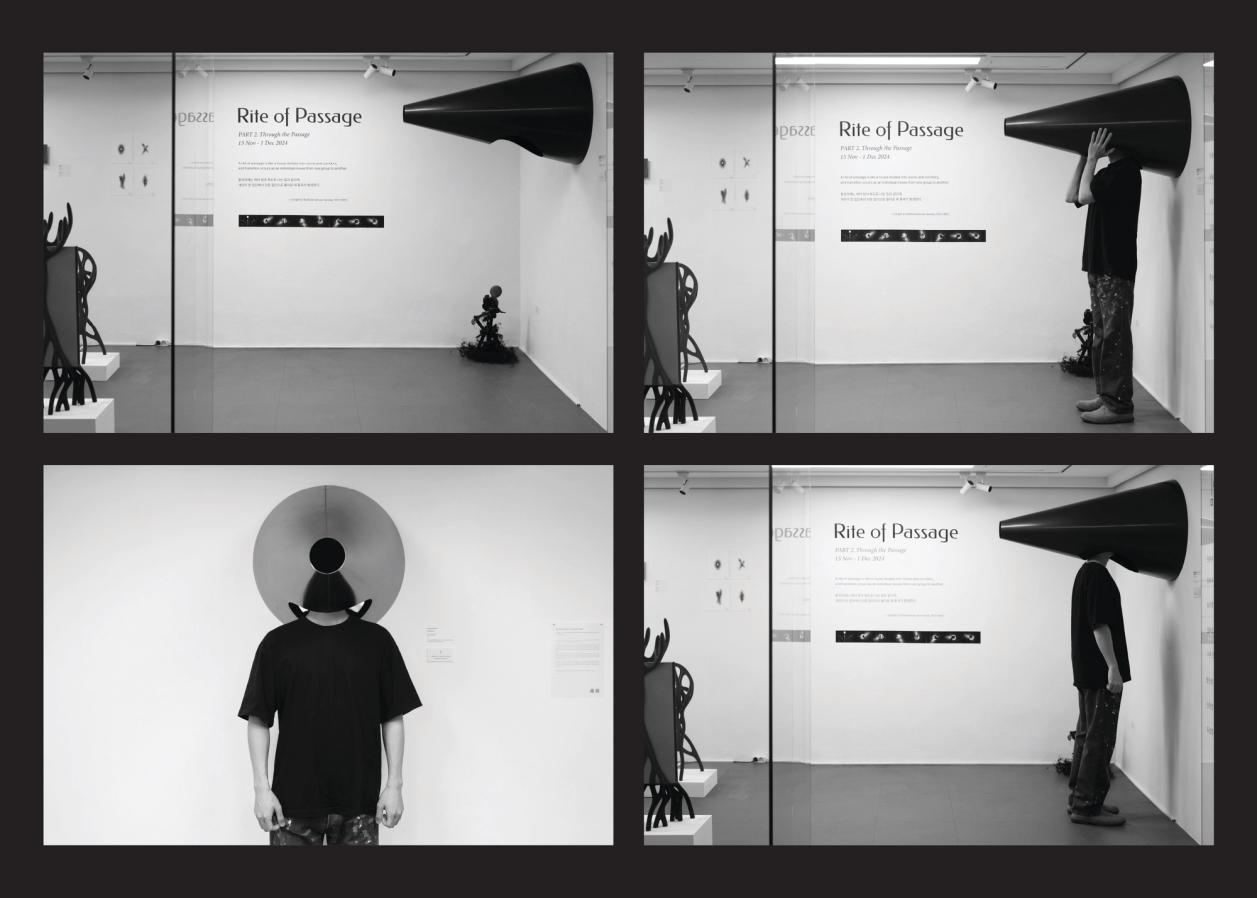
이시평과 강인규는 ‘신당창작아케이드’라는 공간을 통과의례의 개념에 빗대어 묘사하고, 그 안에서 활동하는 작가들을 비롯하여 사회 집단의 구성원들이 경험하는 성장과 변화를 은유적 형태로 재현하고자 한다.
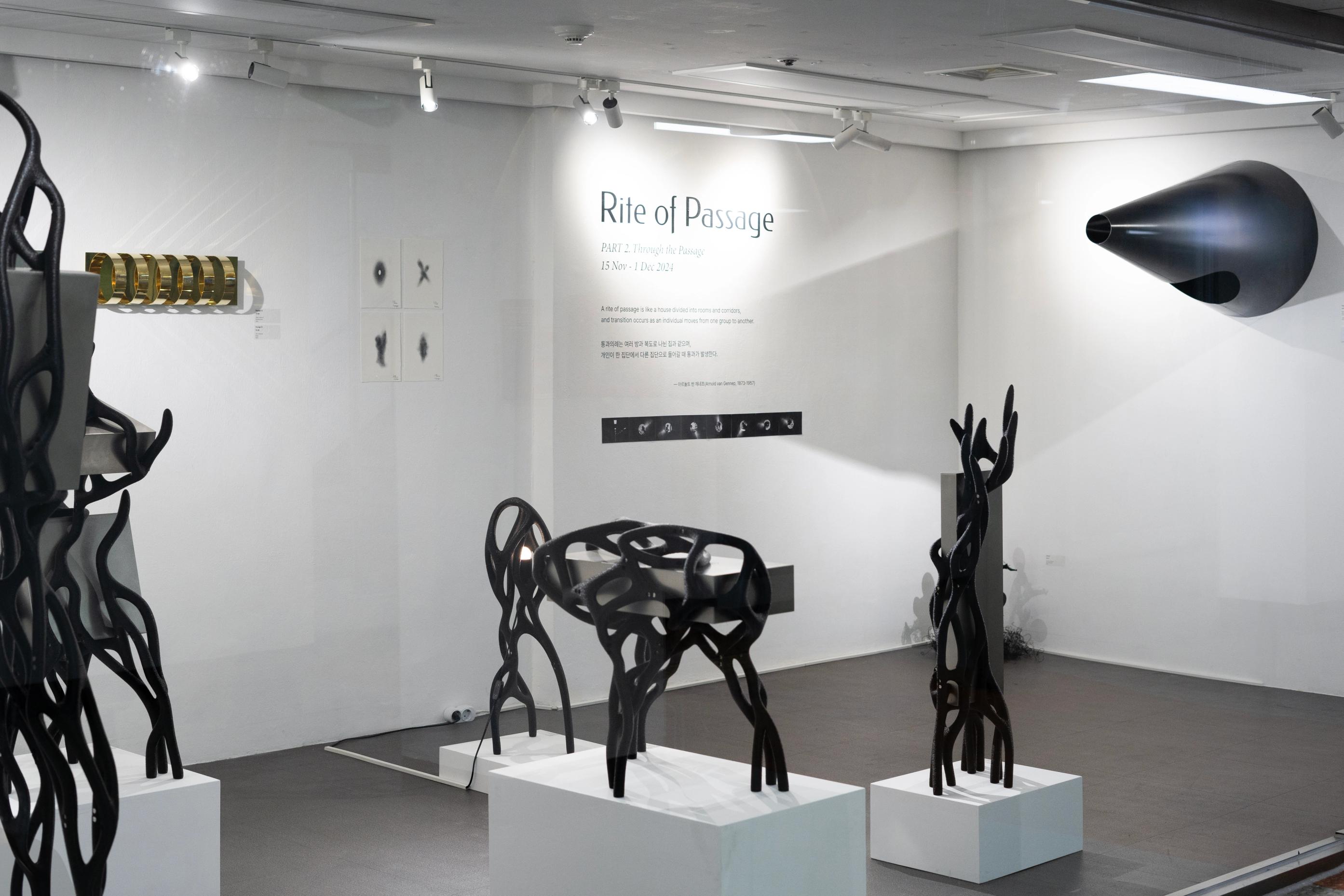
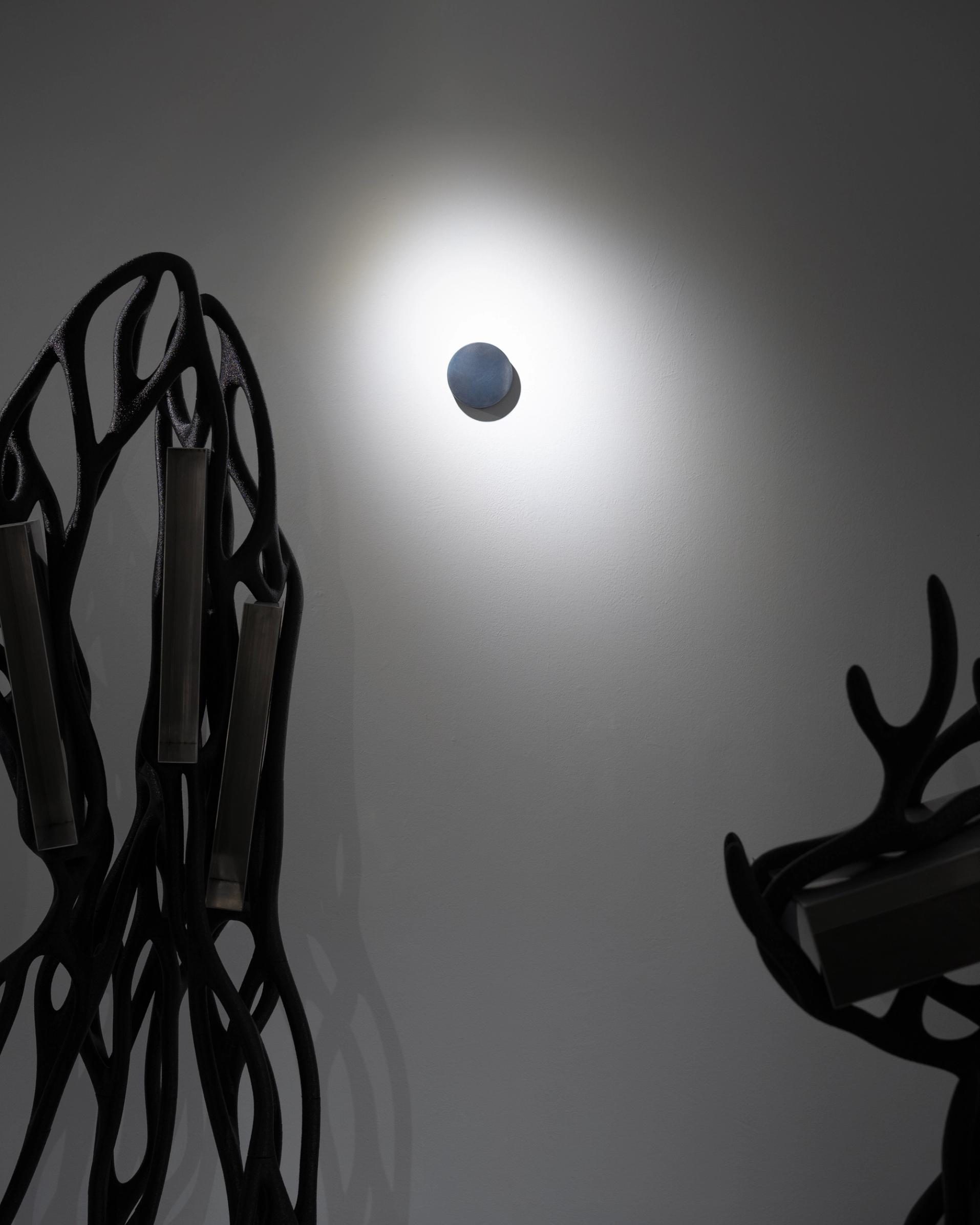
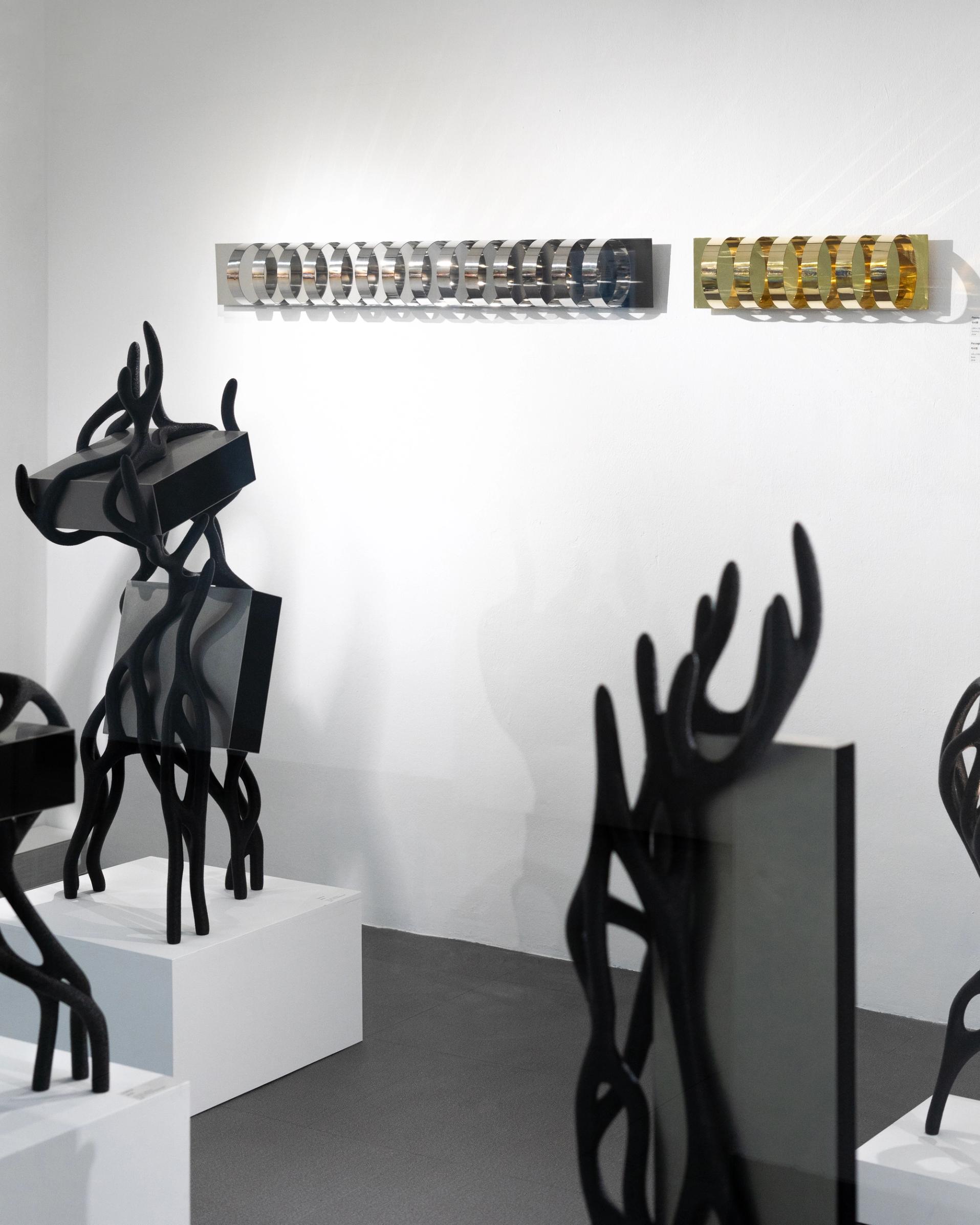
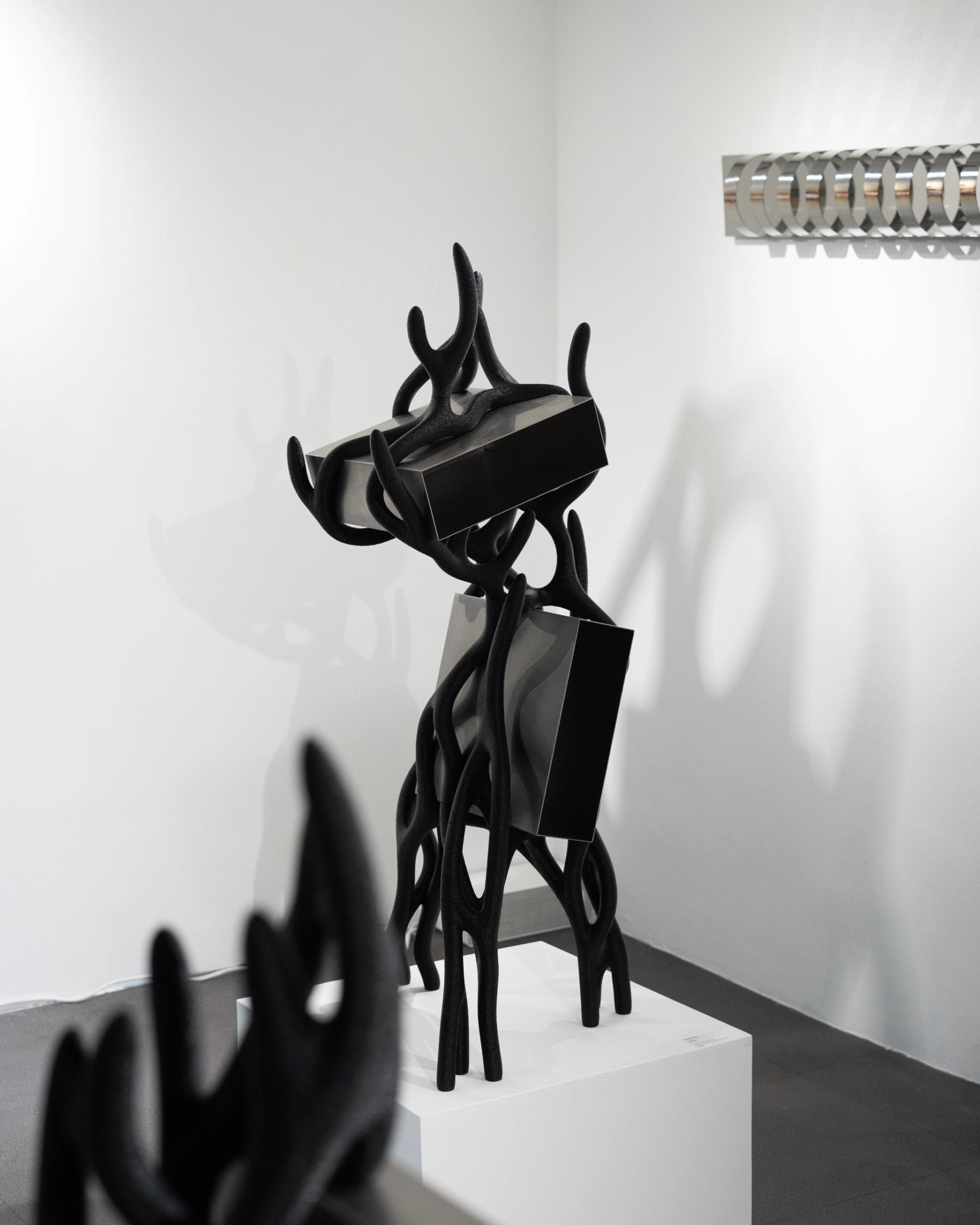
전시장에 놓인 작품들은 대체로 일정한 규범 안에서 각기 다른 양상으로 변모한 결과물이다. 컴퓨터 알고리즘을 통해 임의적인 형태를 추출하고 이를 3D 프린터로 출력하는 강인규의 작업 방식은, 동일한 조건에서 출발하더라도 변칙적인 데이터로 인해 매번 상이한 결과값을 생성한다. 천장고에 닿을 만큼 자라는 것이 있는가 하면, 어떤 것은 바닥을 맴돌거나 오히려 고꾸라지기도 한다. 작가는 우연적인 변화를 통제하기보다는 포용하며 컴퓨터 프로그램 속 무작위적인 값들을 현실 세계에 구현한다.
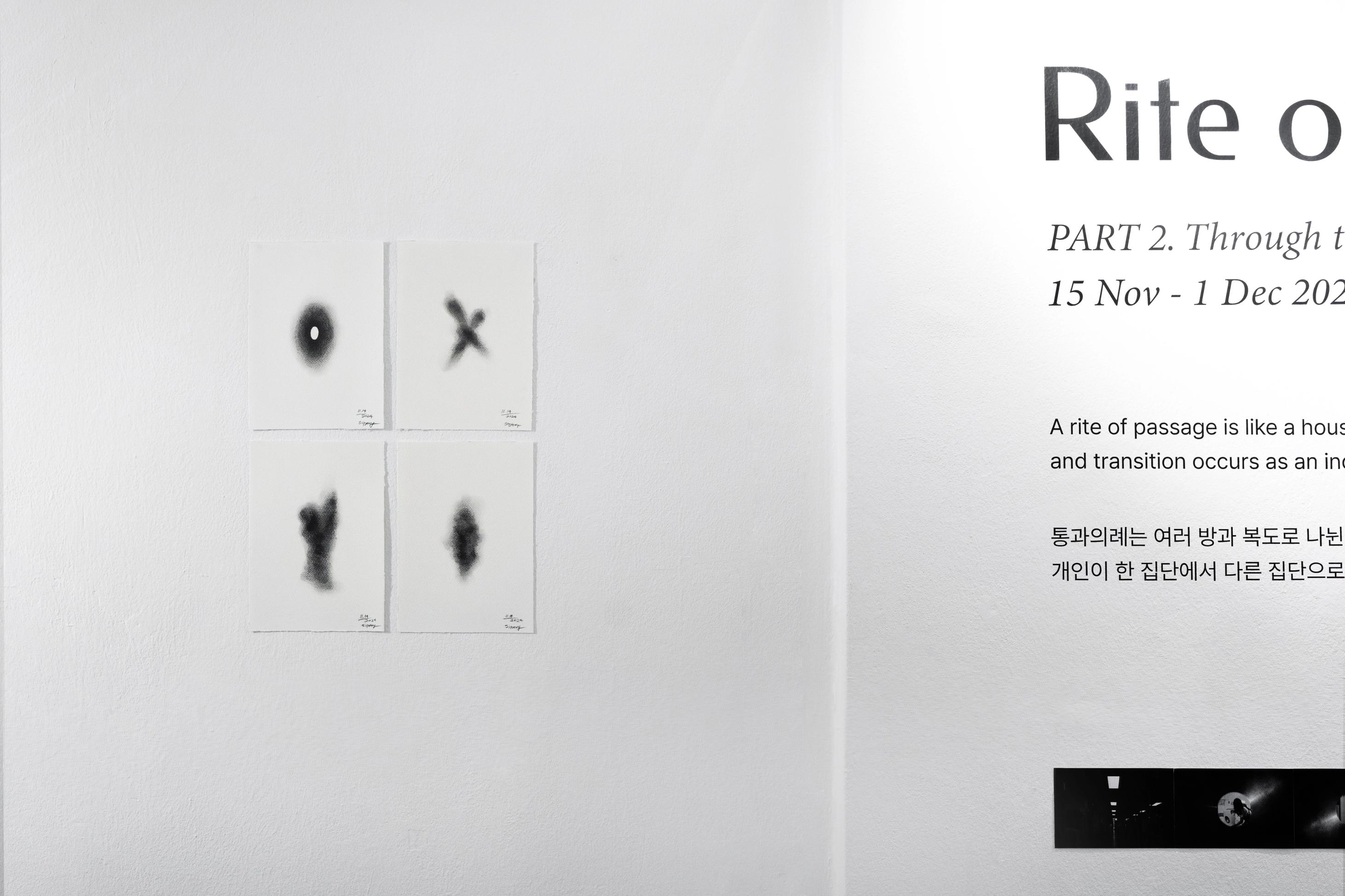
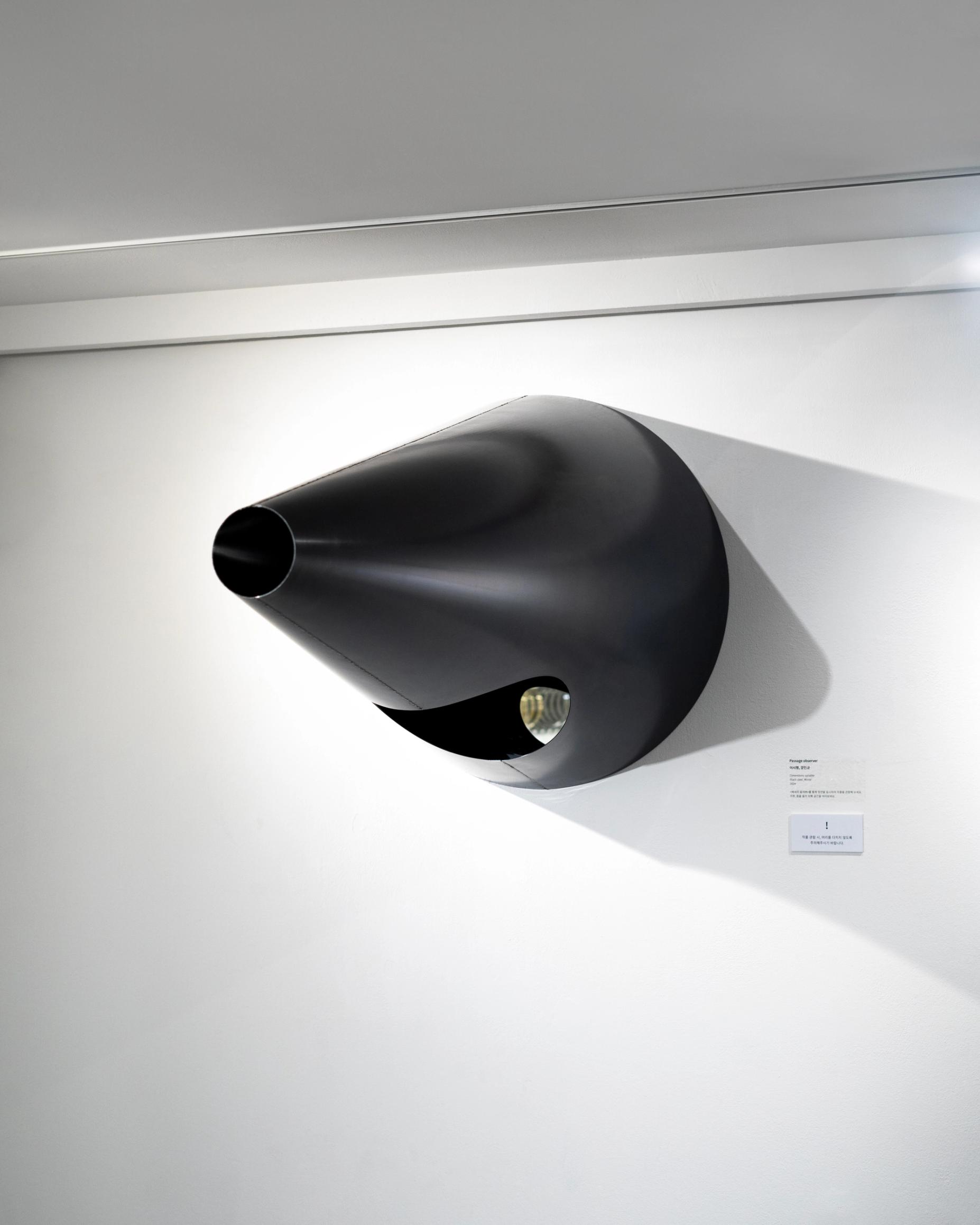
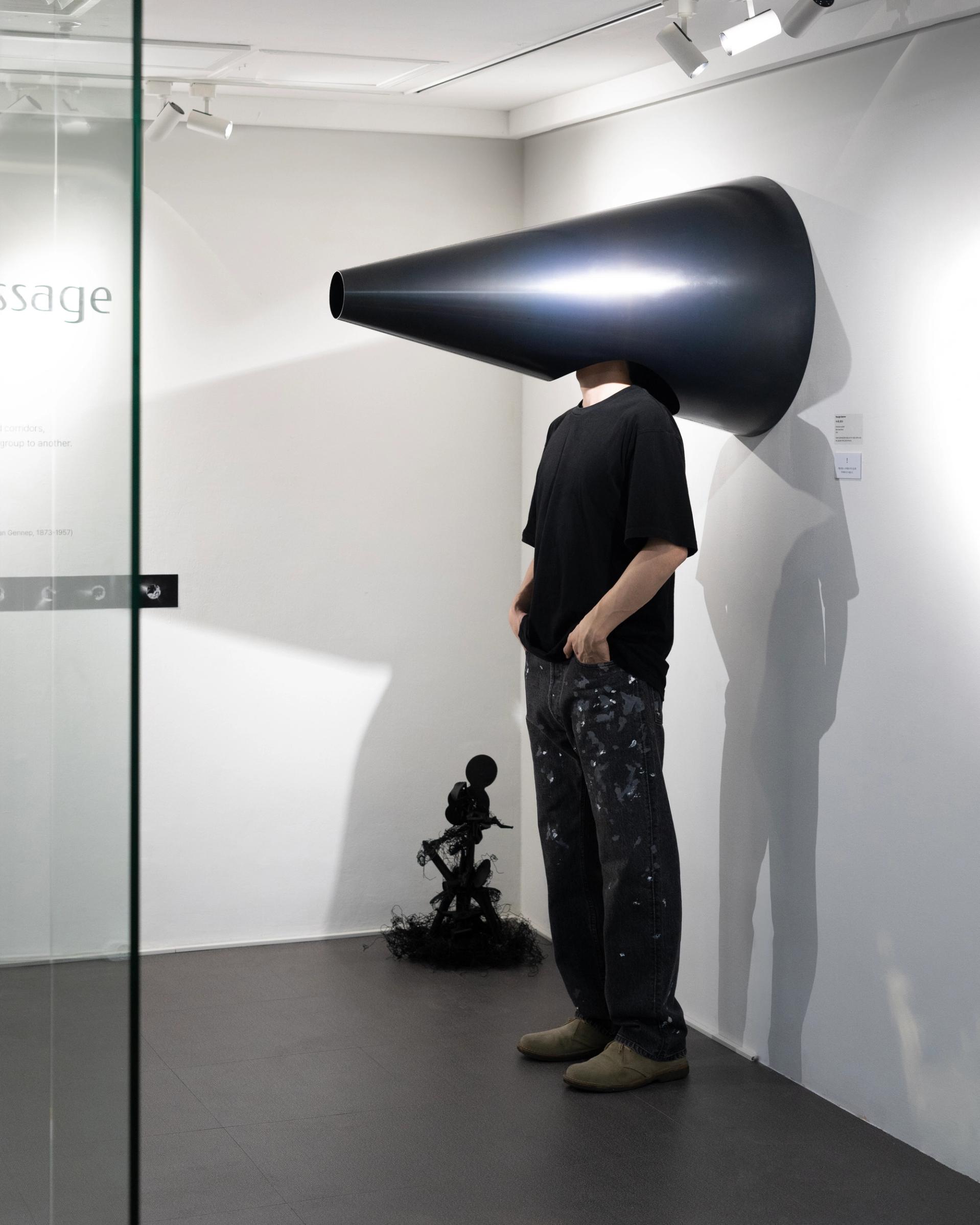
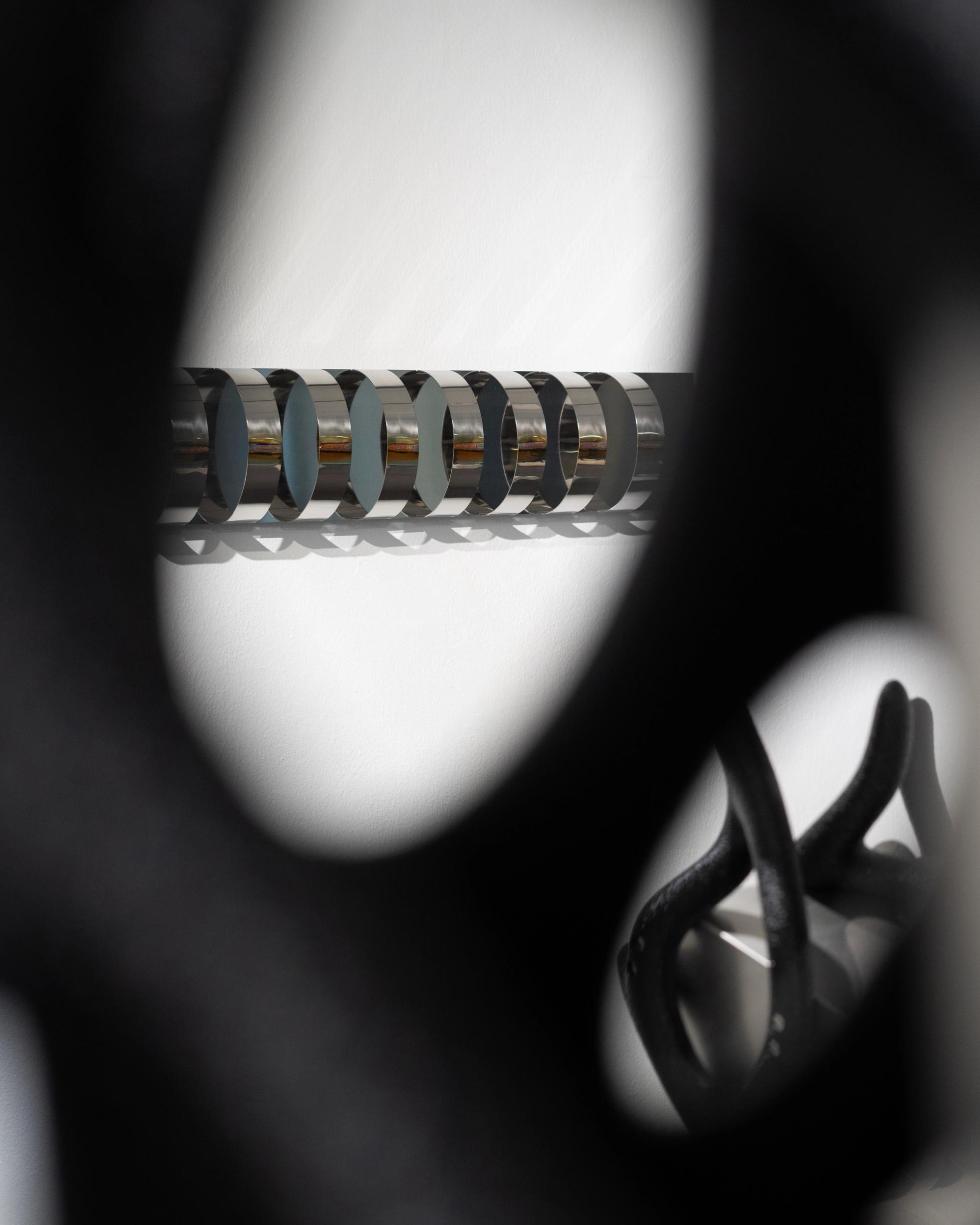
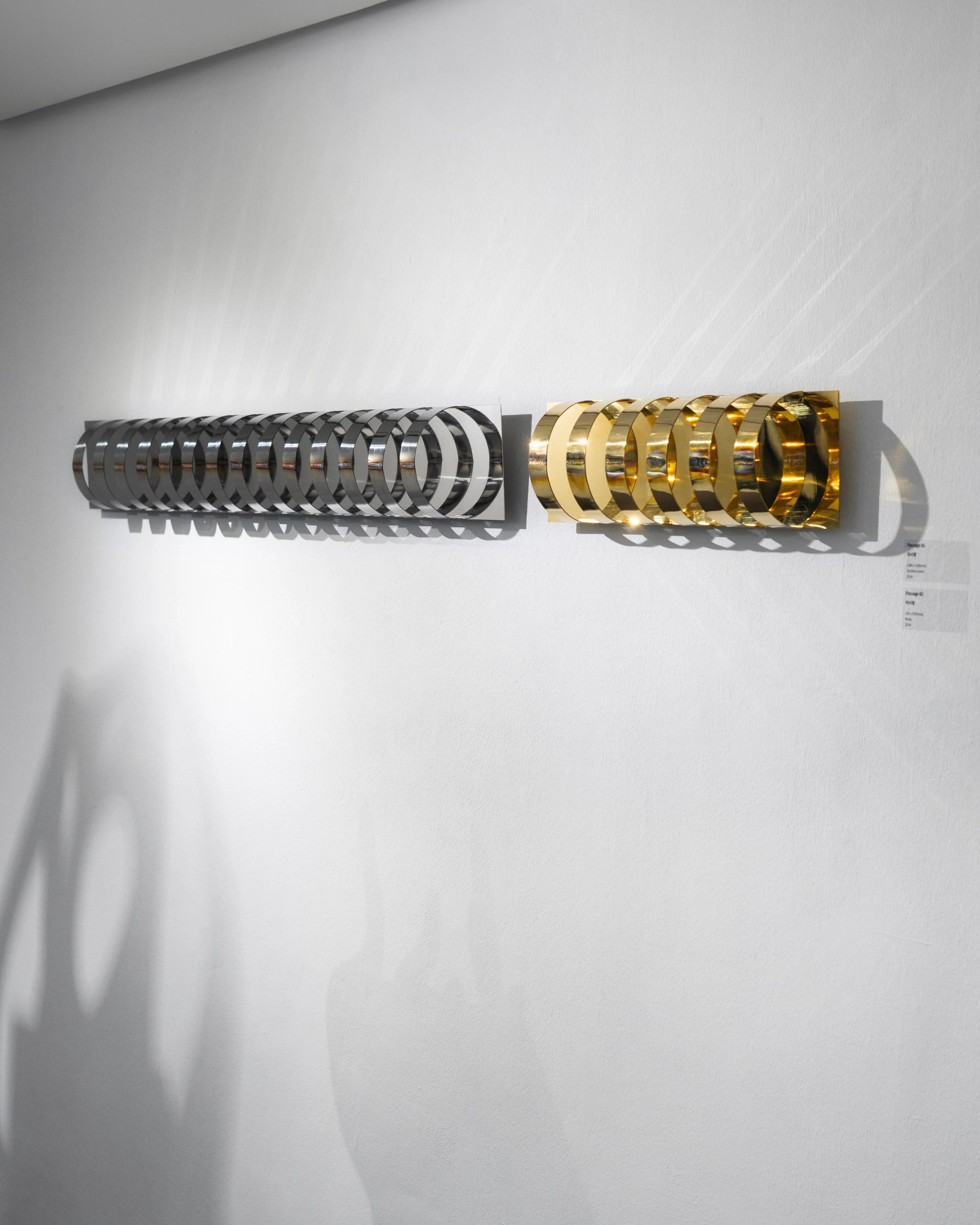
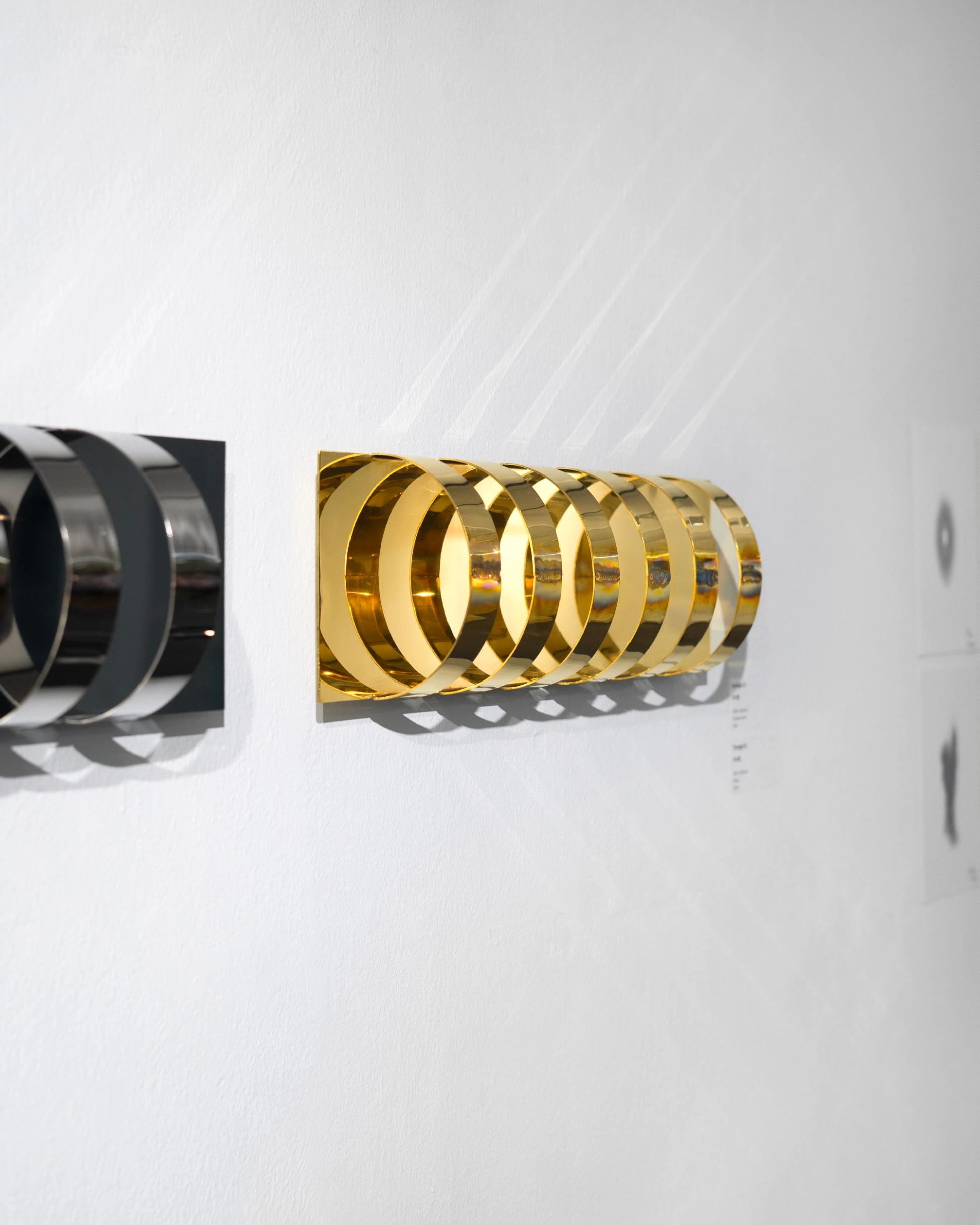
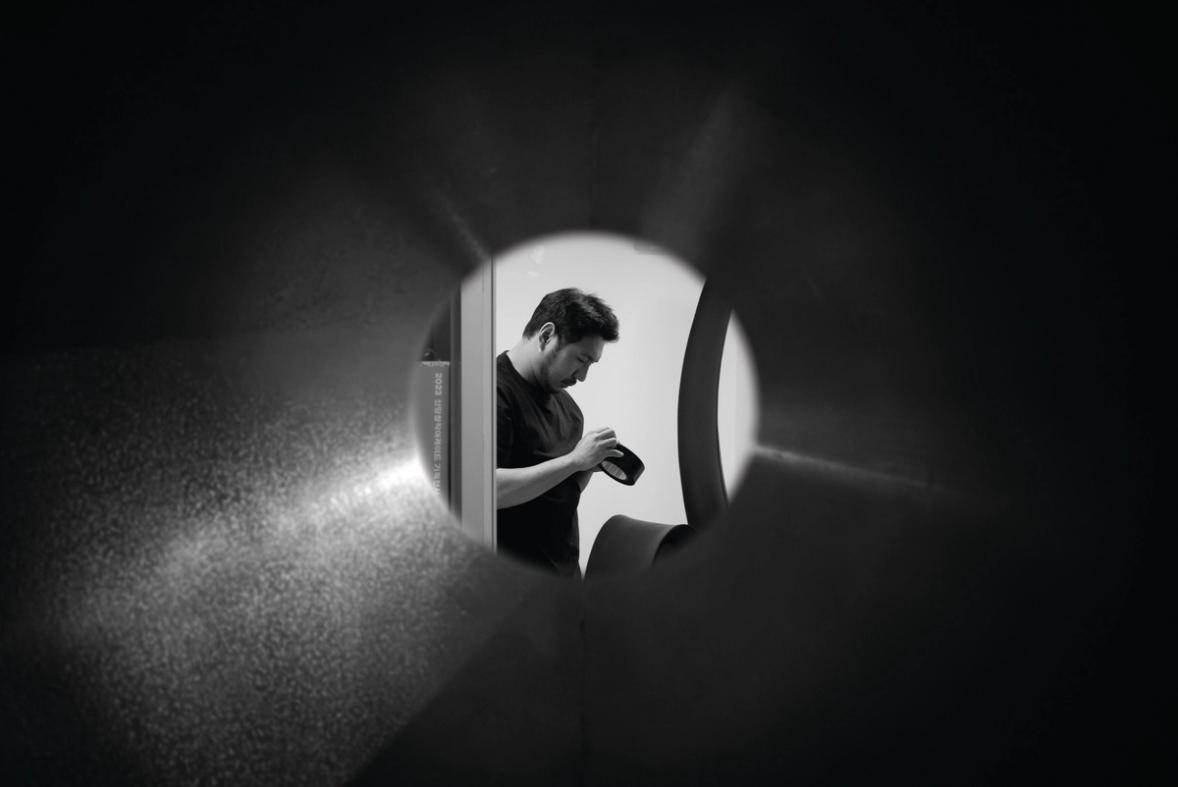
금속을 주재료로 작업하는 이시평의 작품 또한 마찬가지이다. 뜨거운 열이 금속에 닿을 때마다 울긋불긋, 우연의 자국들이 금속의 표면 위로 드러난다. 붉게 번지기도 하고, 새까맣게 타들어가기도 한다. 숨겨져 있던 형질을 드러내며, 그것들은 저마다 예측 불허의 모습으로 뻗어나간다. 낯선 변화가 일어나는 통로 속에서 우리가 할 수 있는 일은 그저 나아갈 방향을 설정하고, 이후 다가올 예기치 못한 변수들을 과정의 일부로 받아들이는 것이다.
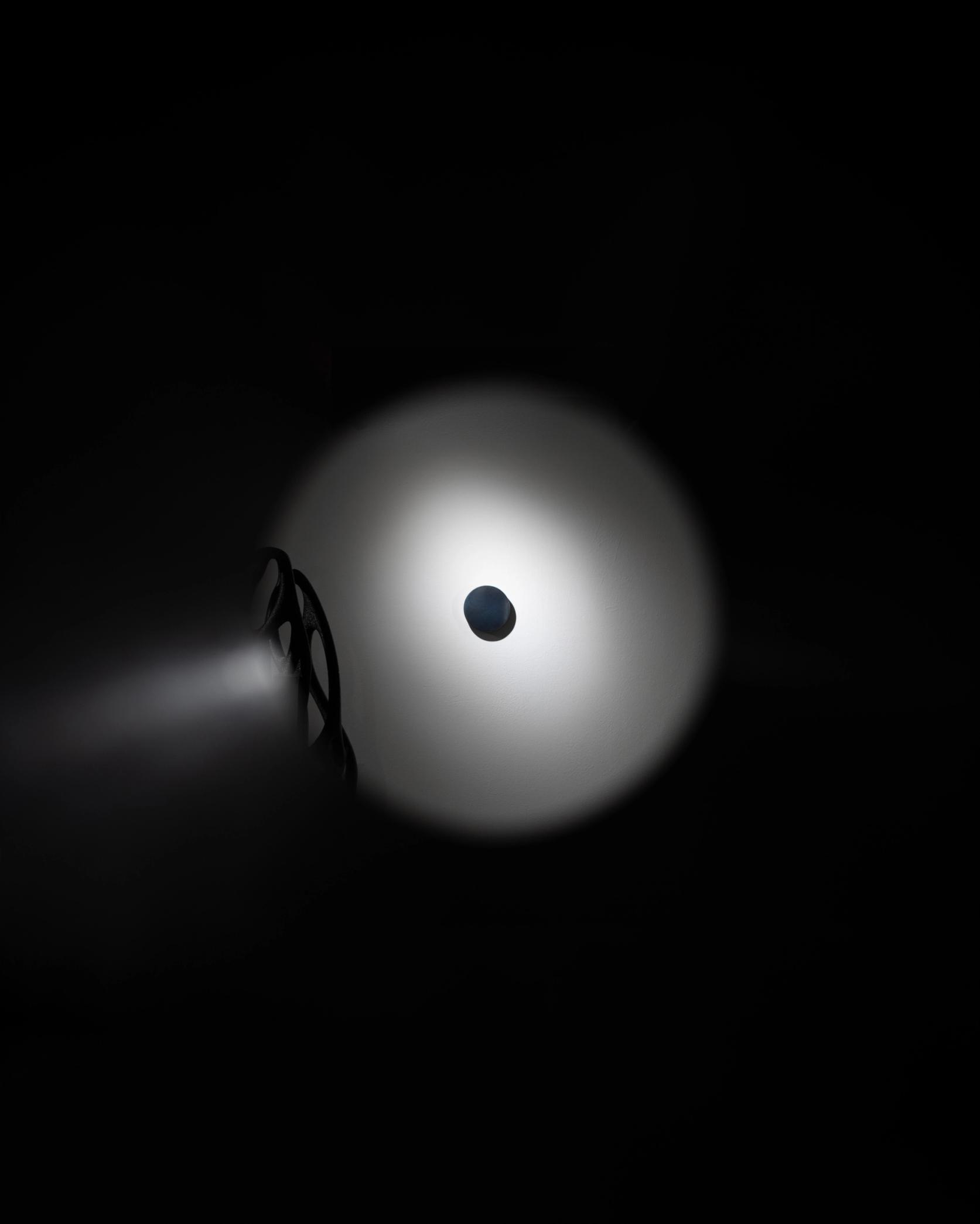
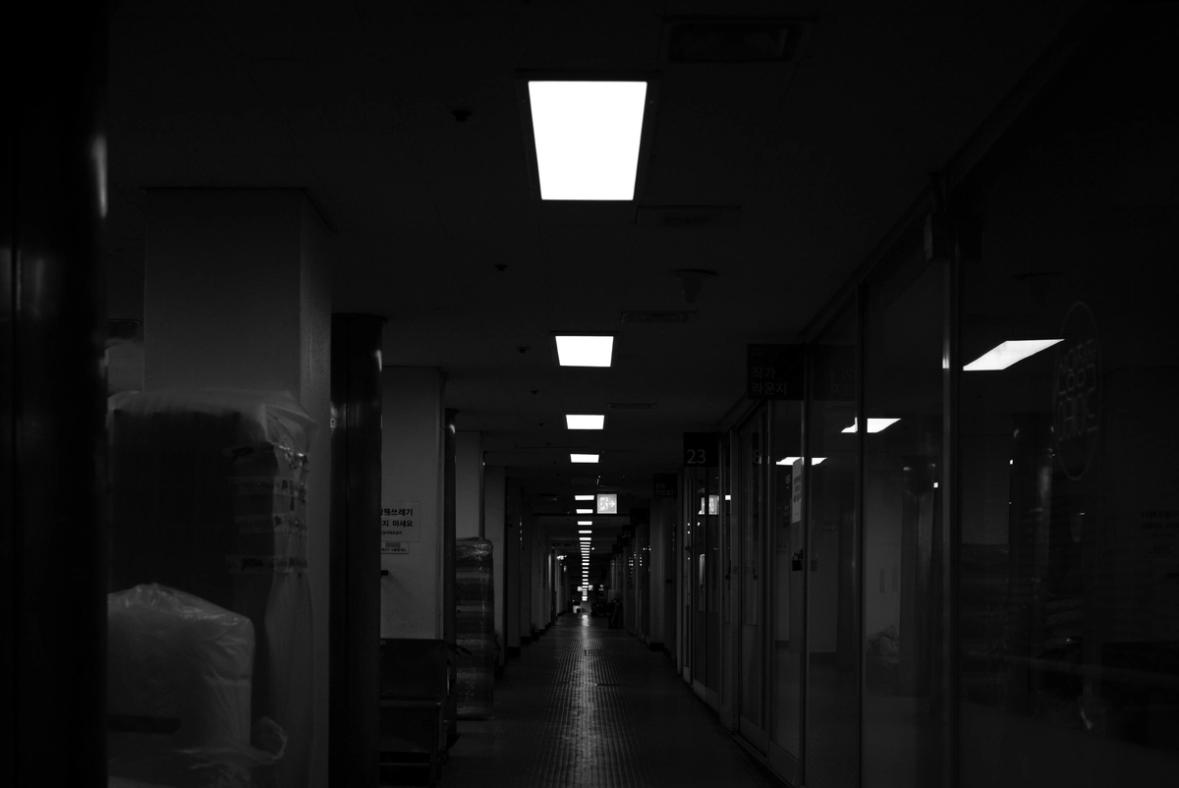
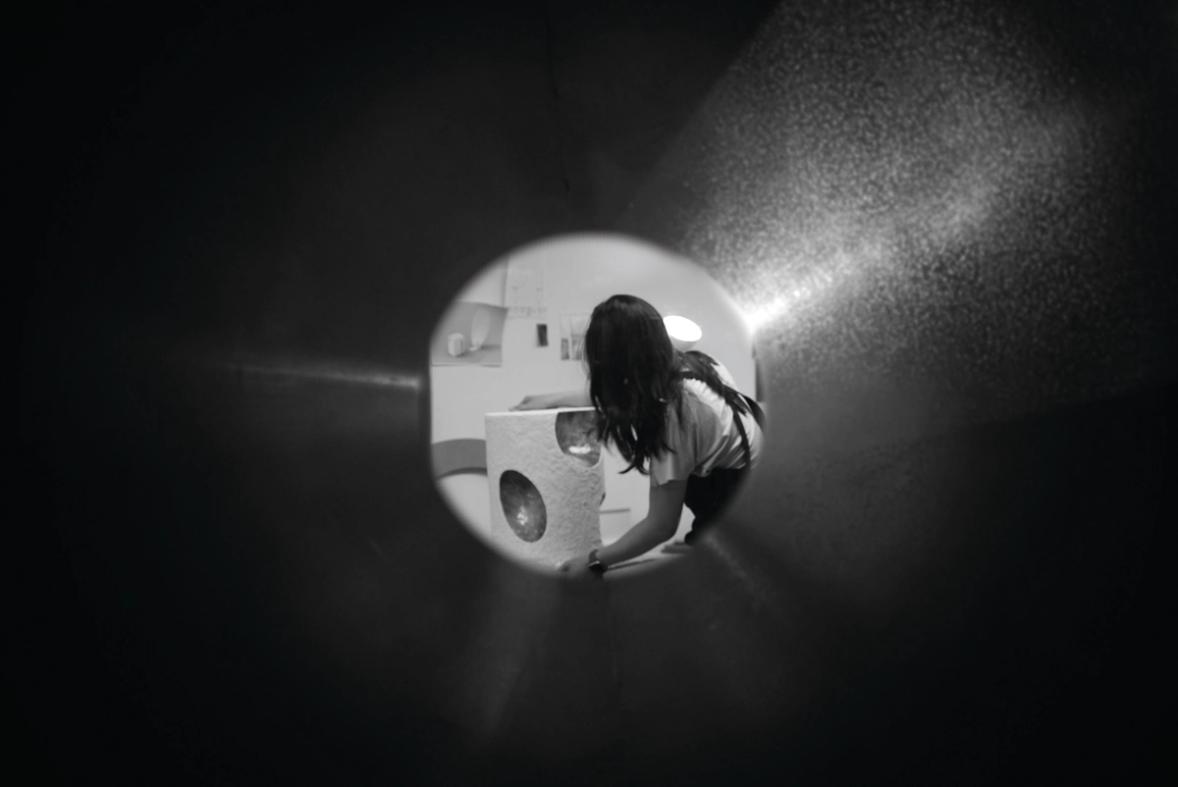
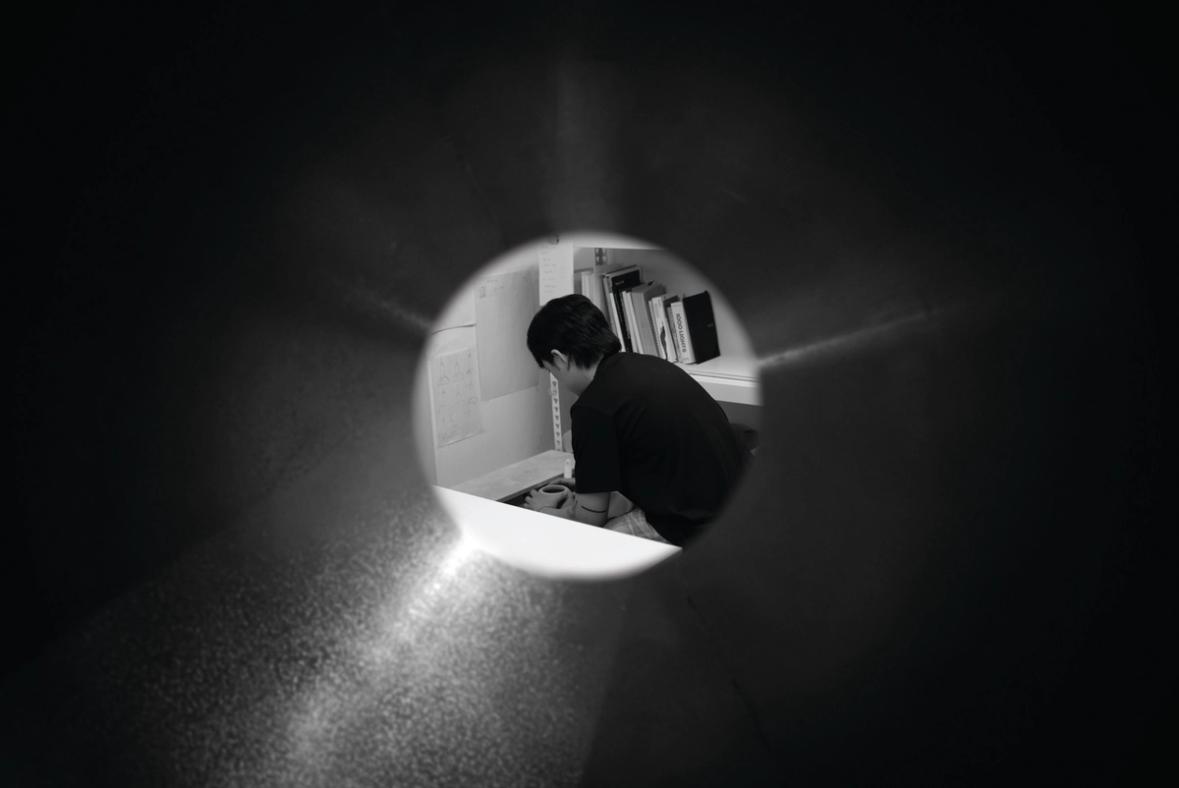
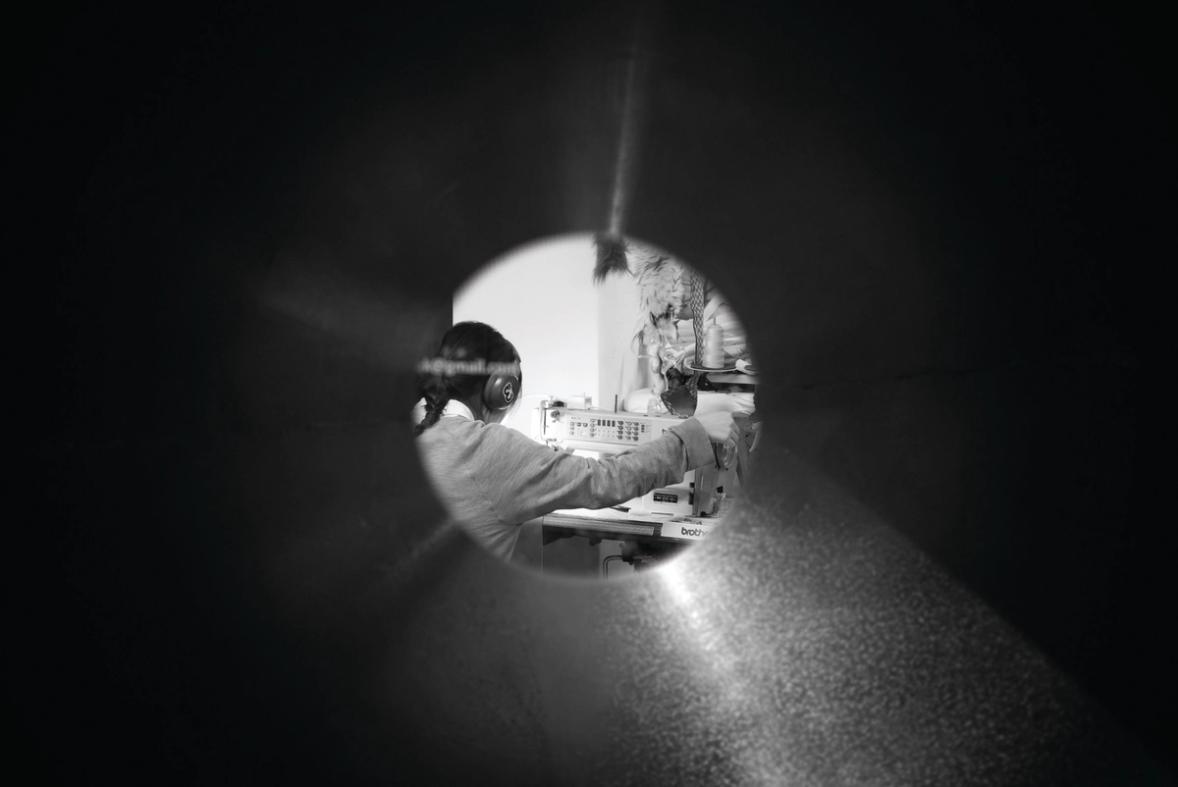
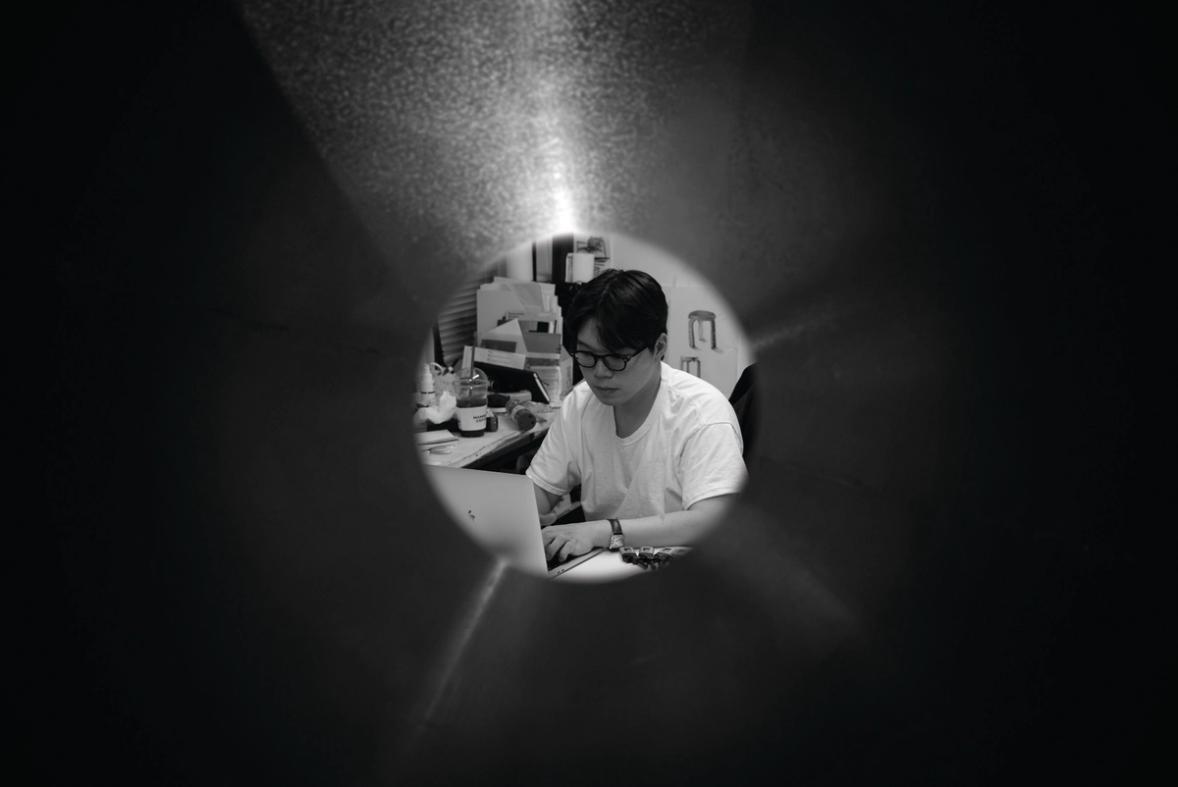
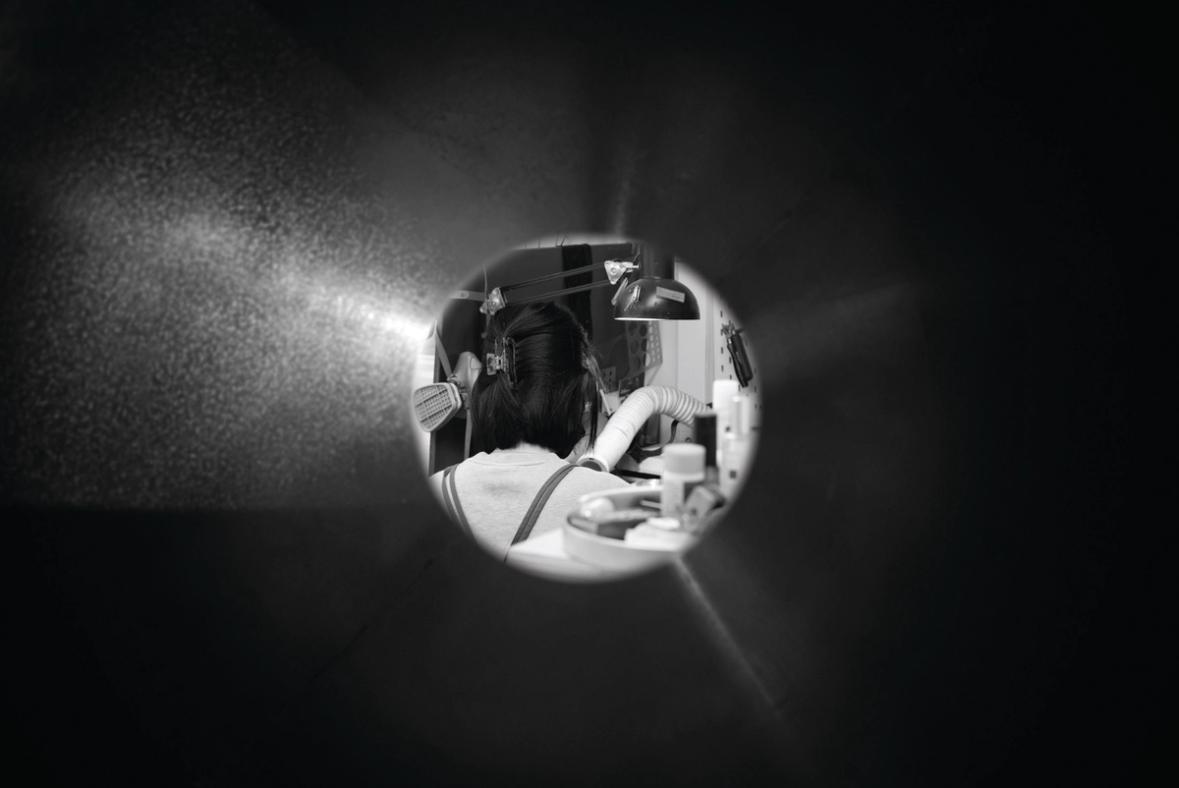
통로의 끝이 멀고 아득하게 느껴질 수도 있다. 그러나 주변을 찬찬히 둘러본다면, 저 멀리 소실되어 가는 점 너머로 줄지어 선 불빛들을 마주하게 될지도 모른다. 35개의 방과 36명의 작가들, 그들이 만들어내는 가지각색의 움직임. 무수한 점들이 만들어낸 통로, 그 한가운데서 통과의 의례를 짊어진 오브제들은 지금도 끝없는 운동성을 내비치고 있다.
“Rites of passage are like a house divided into rooms and corridors; passage occurs when an individual moves from one group to another.”
— Arnold van Gennep, Les rites de passage, 1909
Sipyeong Lee and Inkyu Kang liken Seoul Art Space Sindang to a rite of passage, seeking to metaphorically represent the growth and transformation experienced by the artists working within the space, as well as by members of society at large.
The works presented in the exhibition are, for the most part, the results of transformations that have taken place within a shared framework of rules and conditions. Kang extracts arbitrary forms through computer algorithms and materializes them using 3D printing technology. Although each work begins from the same set of conditions, irregular data generates different outcomes every time. Some forms grow tall enough to reach the ceiling, while others linger near the floor or collapse upon themselves. Rather than controlling accidental variations, the artist embraces them, translating the random values of computer programs into physical reality.
The same can be said of Sipyeong Lee, whose primary material is metal. Whenever intense heat comes into contact with metal, traces of chance emerge across its surface in vivid colors. At times they spread in reddish hues; at others they darken into deep black marks. Revealing latent properties hidden within the material, these traces extend outward in unpredictable ways. Within a passage where unfamiliar transformations unfold, all we can do is determine a direction and accept the unforeseen variables that arise along the way as part of the process itself.
The end of the passage may appear distant and elusive. Yet, if one looks closely, countless lights standing in succession may emerge beyond the vanishing point fading into the distance. Thirty-five rooms, thirty-six artists, and the countless movements they set in motion. A passage formed by innumerable points. At its center, objects bearing the spirit of a rite of passage continue to express an enduring sense of movement.
통과의례: 통로를 지나서
주최: 서울신당창작아케이드
지원: 서울문화재단
기획: 이시평
“통과의례는 방과 복도로 나뉜 집과 같으며, 개인이 한 집단에서 다른 집단으로 이동할 때 통과가 이루어진다.”
— 아르놀드 반 헤네프(Arnold van Gennep), 『통과의례(Les rites de passage)』, 1909
이시평과 강인규는 ‘신당창작아케이드’라는 공간을 통과의례의 개념에 빗대어 묘사하고, 그 안에서 활동하는 작가들을 비롯하여 사회 집단의 구성원들이 경험하는 성장과 변화를 은유적 형태로 재현하고자 한다.
전시장에 놓인 작품들은 대체로 일정한 규범 안에서 각기 다른 양상으로 변모한 결과물이다. 컴퓨터 알고리즘을 통해 임의적인 형태를 추출하고 이를 3D 프린터로 출력하는 강인규의 작업 방식은, 동일한 조건에서 출발하더라도 변칙적인 데이터로 인해 매번 상이한 결과값을 생성한다. 천장고에 닿을 만큼 자라는 것이 있는가 하면, 어떤 것은 바닥을 맴돌거나 오히려 고꾸라지기도 한다. 작가는 우연적인 변화를 통제하기보다는 포용하며 컴퓨터 프로그램 속 무작위적인 값들을 현실 세계에 구현한다.
금속을 주재료로 작업하는 이시평의 작품 또한 마찬가지이다. 뜨거운 열이 금속에 닿을 때마다 울긋불긋, 우연의 자국들이 금속의 표면 위로 드러난다. 붉게 번지기도 하고, 새까맣게 타들어가기도 한다. 숨겨져 있던 형질을 드러내며, 그것들은 저마다 예측 불허의 모습으로 뻗어나간다. 낯선 변화가 일어나는 통로 속에서 우리가 할 수 있는 일은 그저 나아갈 방향을 설정하고, 이후 다가올 예기치 못한 변수들을 과정의 일부로 받아들이는 것이다.
통로의 끝이 멀고 아득하게 느껴질 수도 있다. 그러나 주변을 찬찬히 둘러본다면, 저 멀리 소실되어 가는 점 너머로 줄지어 선 불빛들을 마주하게 될지도 모른다. 35개의 방과 36명의 작가들, 그들이 만들어내는 가지각색의 움직임. 무수한 점들이 만들어낸 통로, 그 한가운데서 통과의 의례를 짊어진 오브제들은 지금도 끝없는 운동성을 내비치고 있다.
Through the Passage
Organized by Seoul Art Space Sindang
Supported by Seoul Foundation for Arts and Culture
Curated by Sipyeong Lee
“Rites of passage are like a house divided into rooms and corridors; passage occurs when an individual moves from one group to another.”
— Arnold van Gennep, Les rites de passage, 1909
Sipyeong Lee and Inkyu Kang liken Seoul Art Space Sindang to a rite of passage, seeking to metaphorically represent the growth and transformation experienced by the artists working within the space, as well as by members of society at large.
The works presented in the exhibition are, for the most part, the results of transformations that have taken place within a shared framework of rules and conditions. Kang extracts arbitrary forms through computer algorithms and materializes them using 3D printing technology. Although each work begins from the same set of conditions, irregular data generates different outcomes every time. Some forms grow tall enough to reach the ceiling, while others linger near the floor or collapse upon themselves. Rather than controlling accidental variations, the artist embraces them, translating the random values of computer programs into physical reality.
The same can be said of Sipyeong Lee, whose primary material is metal. Whenever intense heat comes into contact with metal, traces of chance emerge across its surface in vivid colors. At times they spread in reddish hues; at others they darken into deep black marks. Revealing latent properties hidden within the material, these traces extend outward in unpredictable ways. Within a passage where unfamiliar transformations unfold, all we can do is determine a direction and accept the unforeseen variables that arise along the way as part of the process itself.
The end of the passage may appear distant and elusive. Yet, if one looks closely, countless lights standing in succession may emerge beyond the vanishing point fading into the distance. Thirty-five rooms, thirty-six artists, and the countless movements they set in motion. A passage formed by innumerable points. At its center, objects bearing the spirit of a rite of passage continue to express an enduring sense of movement.