














인과관계를 통해 비물질적 요소를 표현한 가구디자인 연구
A Study on Furniture Design Visualizing Immaterial Elements through Causal Relationships
홍익대학교 일반대학원 목조형가구학과 석사학위논문
Master's Degree Thesis, Department of Wood Art and Furniture Design, Graduate School, Hongik Univ.
일상 속에서 무심히 지나치는 현상 너머에는 다양한 관념과 보이지 않는 변화의 과정이 잠재해 있다. 본 연구는 눈에 보이는 형태나 즉각적인 결과에만 주목하는 물질 중심의 인식을 넘어서, 그 이면에 자리한 근원적인 요소를 탐구하여 보이지 않는 세계에 대한 지각의 폭을 확장하고, 일상에서 간과해온 본질적 가치와 그 의미를 조명하고자 한다.
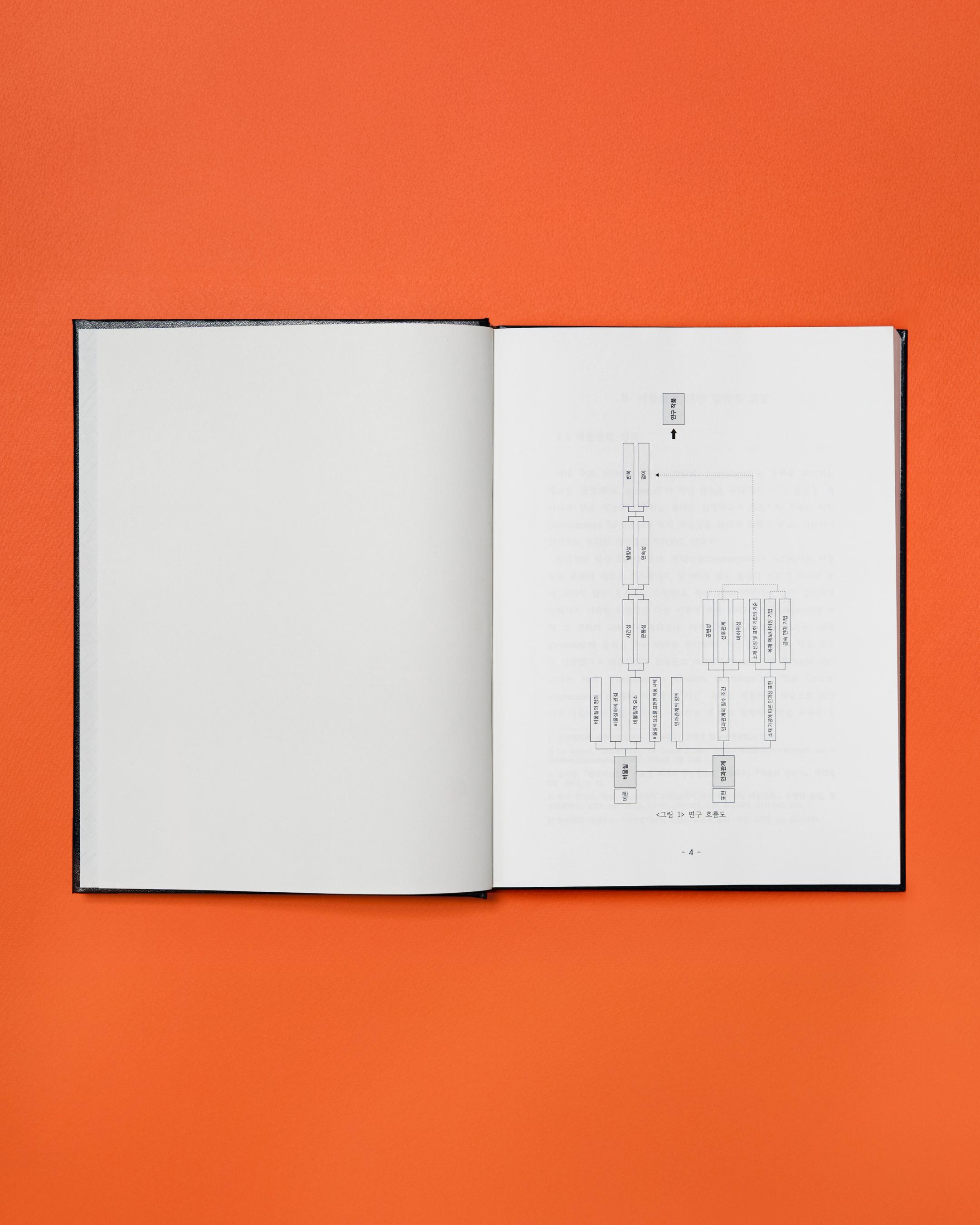
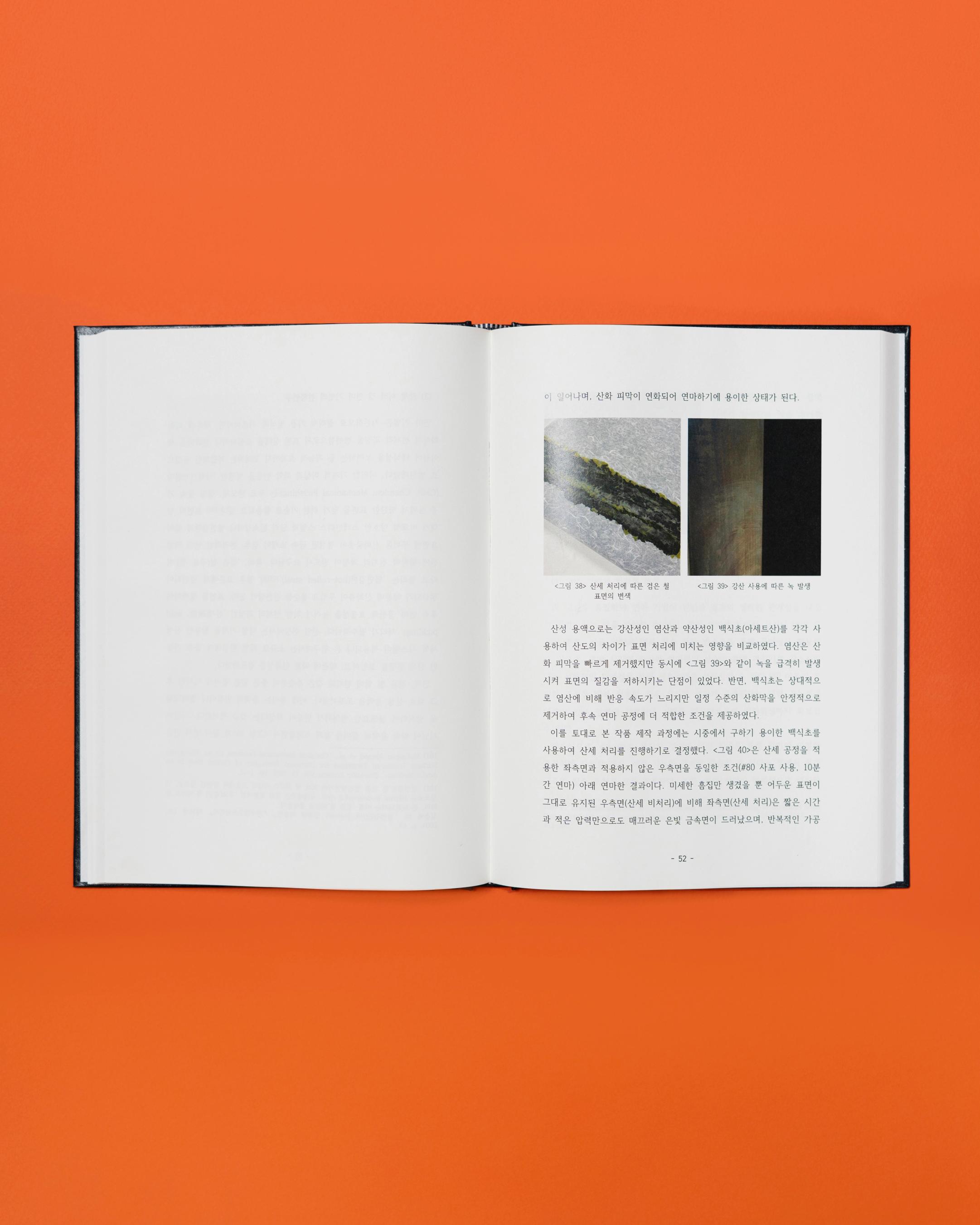
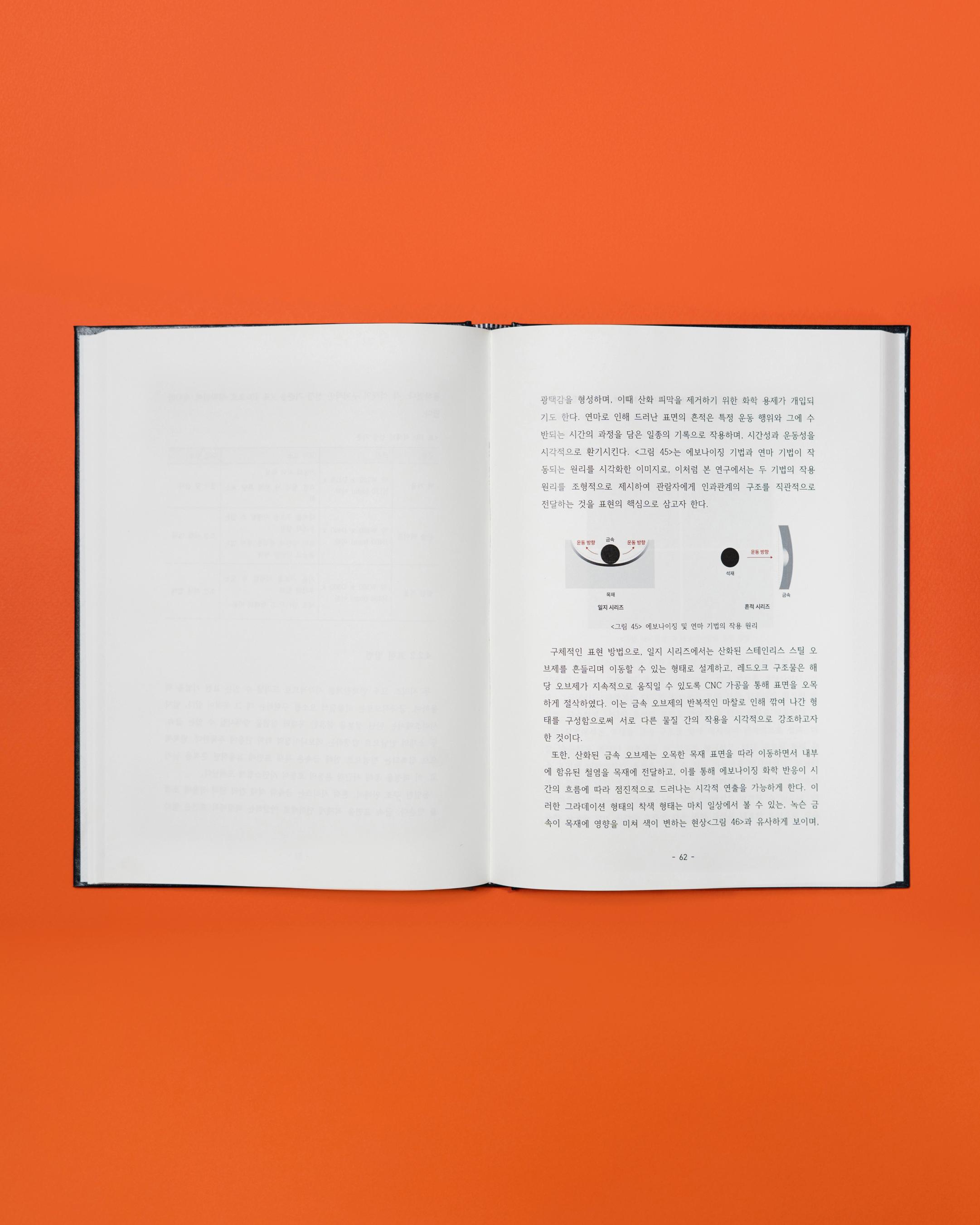
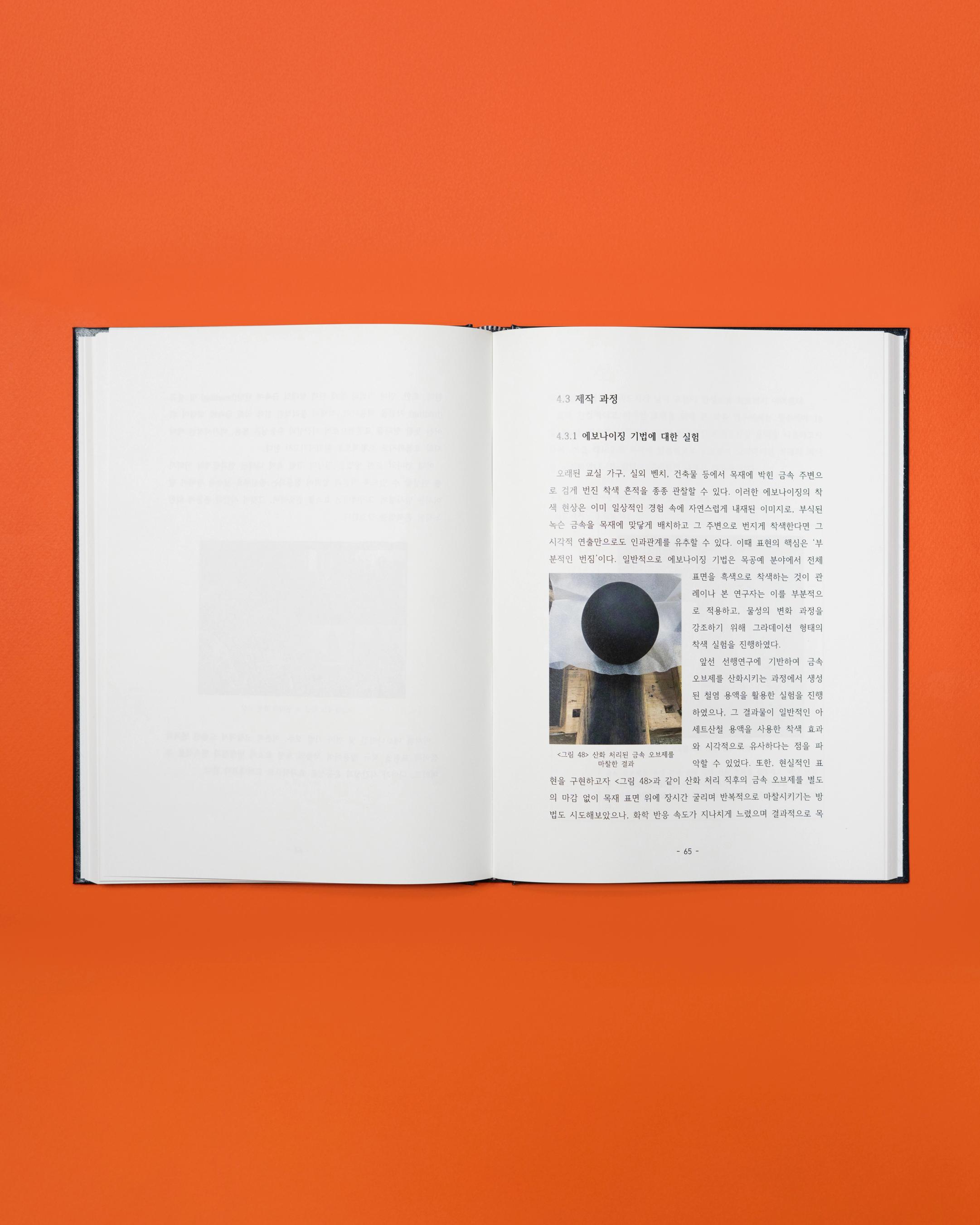
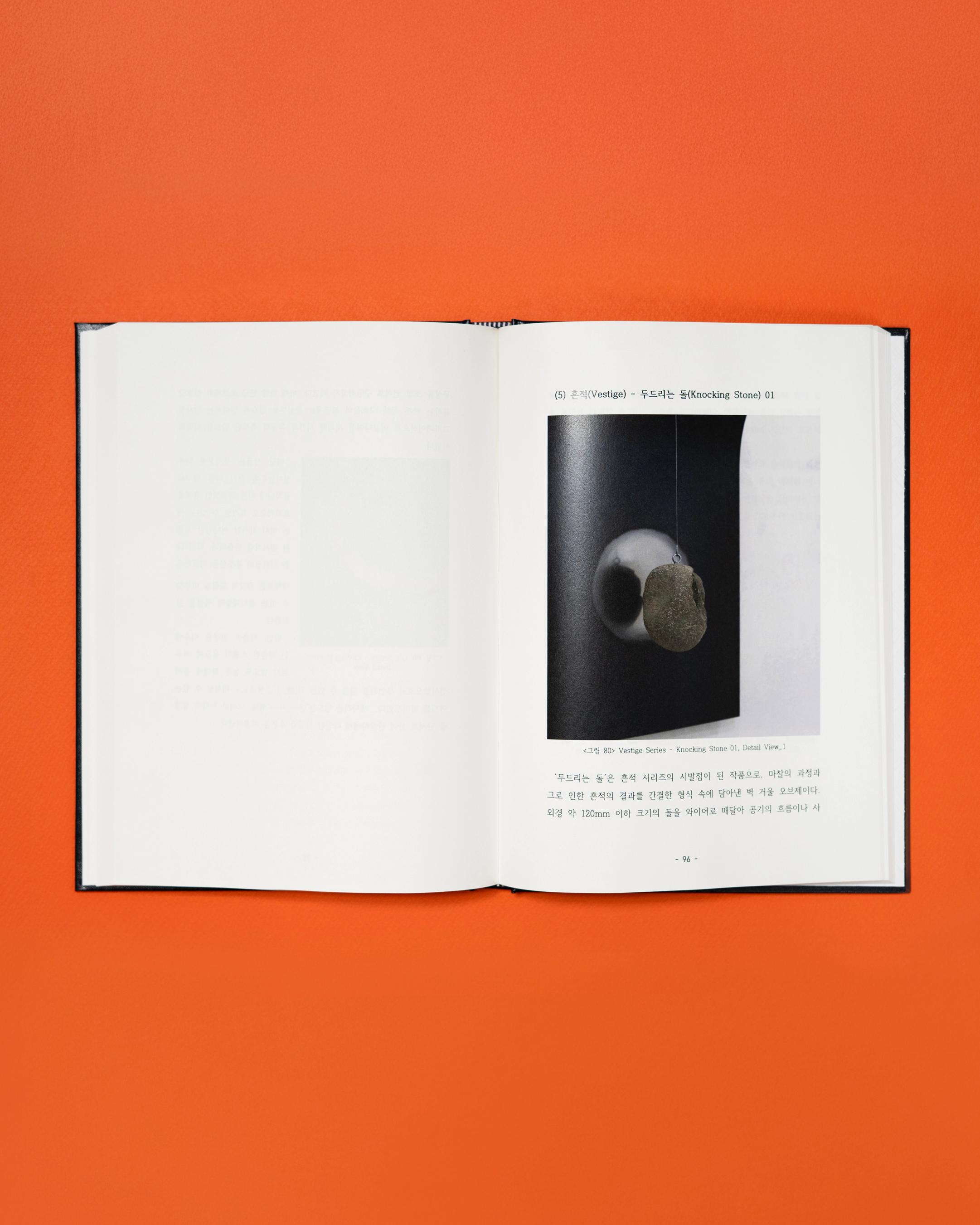
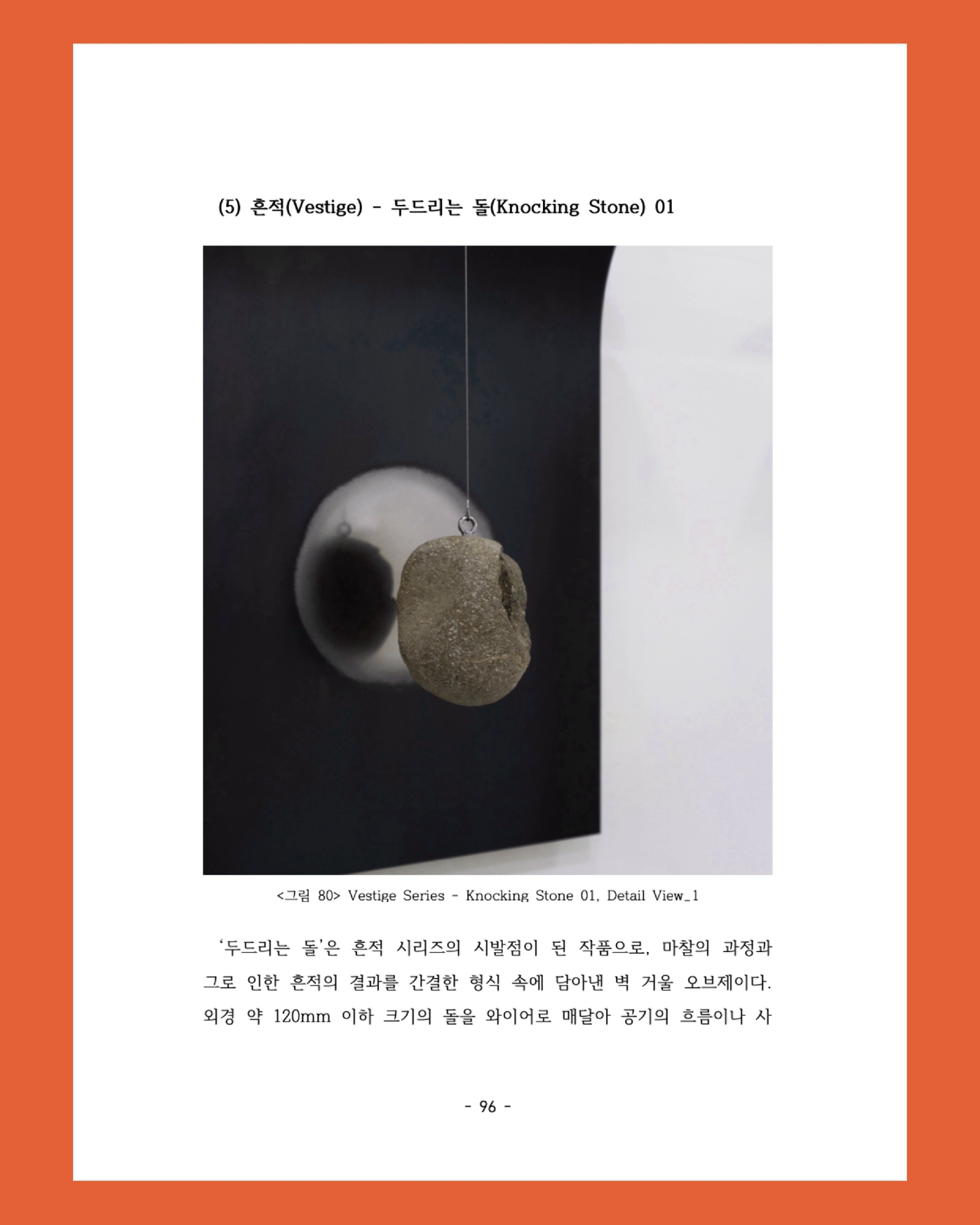
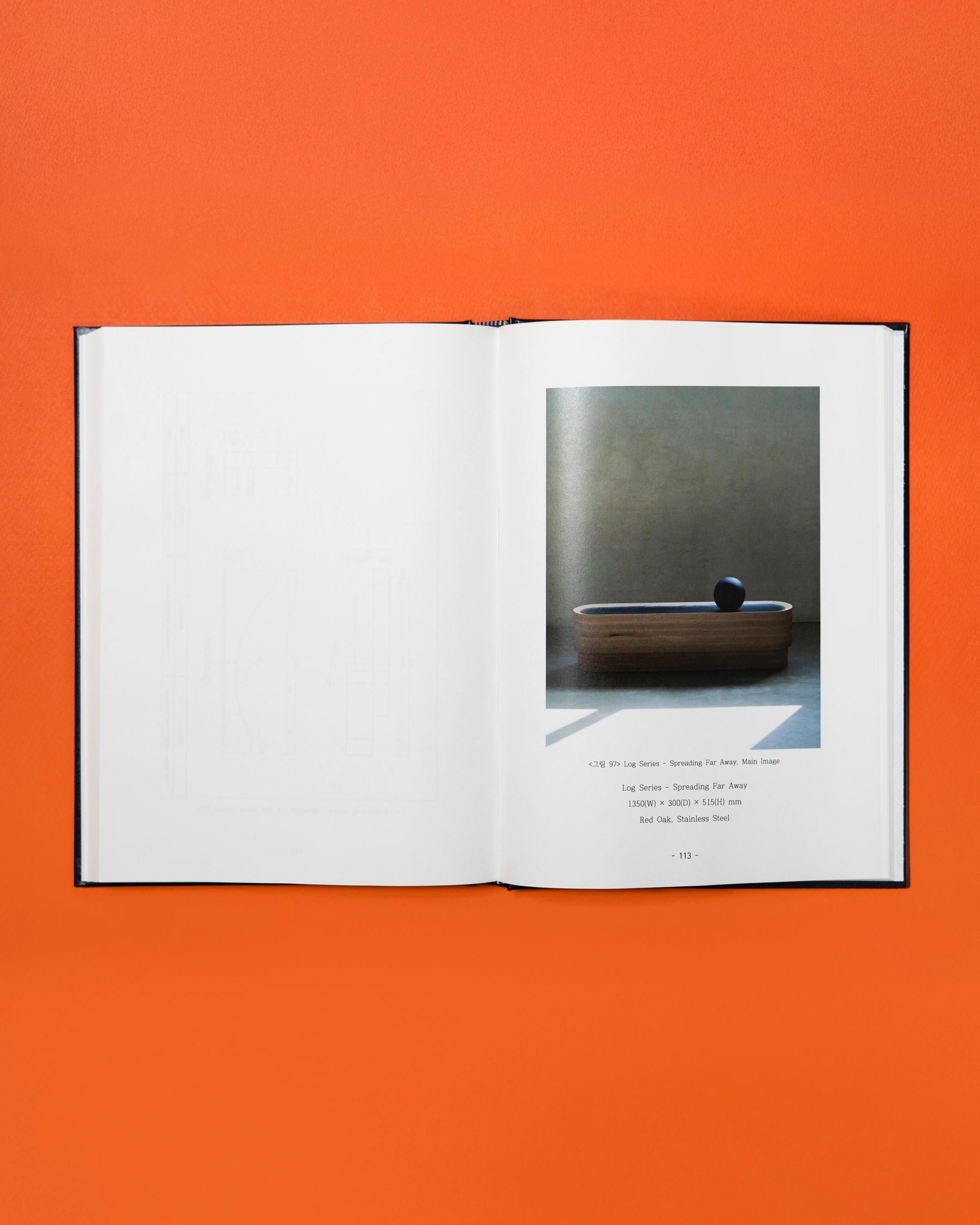
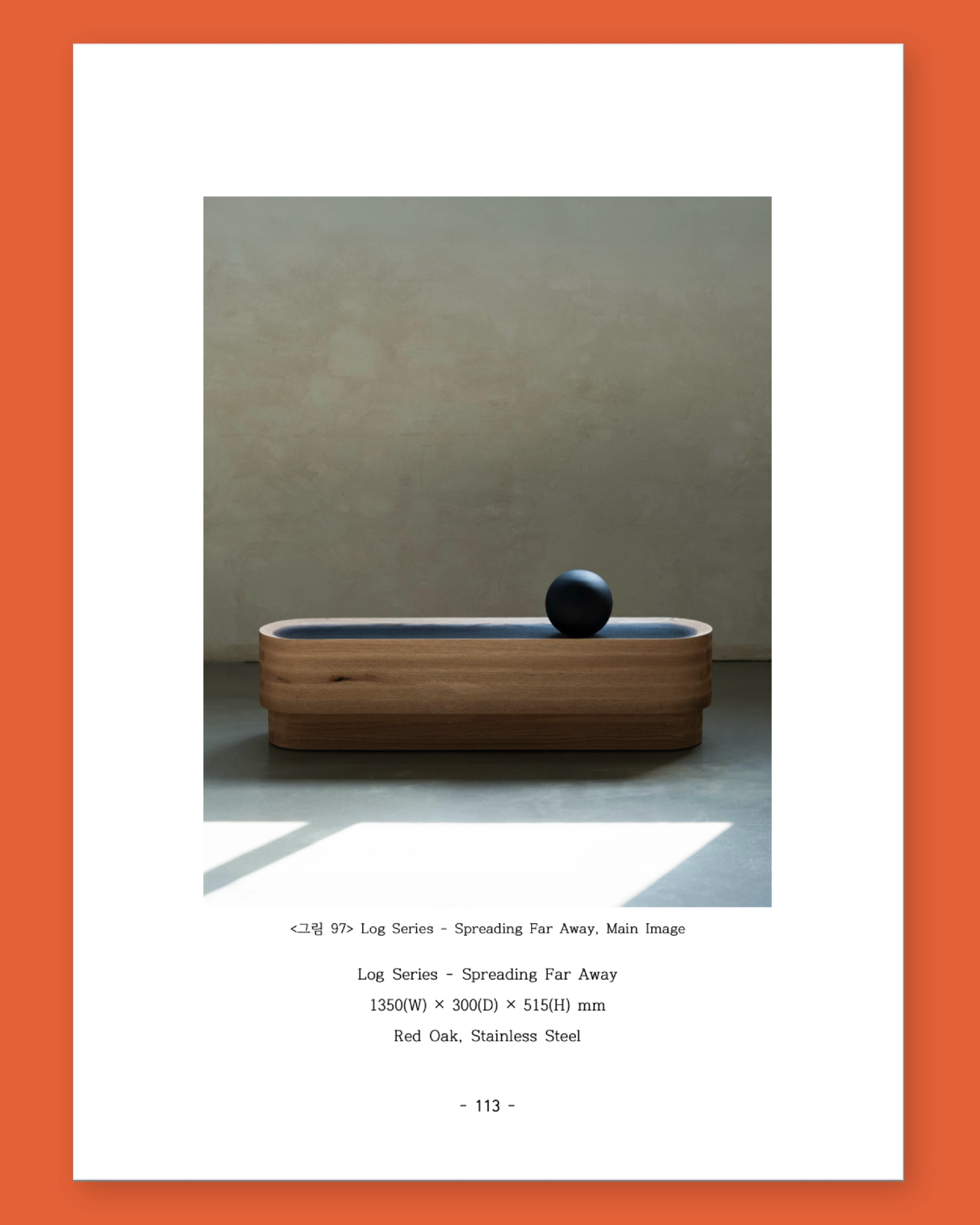
연구자는 ‘인과관계’의 개념에 기반해 소재의 물성 변화를 유도하고, 그 과정을 시각화함으로써 ‘비물질적 요소’를 구현하는 데 초점을 둔다. 특히 목재의 ‘에보나이징 기법’과 금속의 ‘연마 기법’을 물질 간의 인과적 반응을 드러내는 수단으로 해석하고, 이를 작품 제작 과정에 적용하여 관람자가 비가시적인 개념을 인지할 수 있도록 유도한다.
다원화되어가는 현대 예술의 흐름 속에서 본 연구자가 제시하는 비물질성에 관한 담론이 대상이 지닌 본질적 개념과 의미를 환기하며, 풍부한 감각과 사유의 지평을 열어가는 계기가 되기를 기대한다.
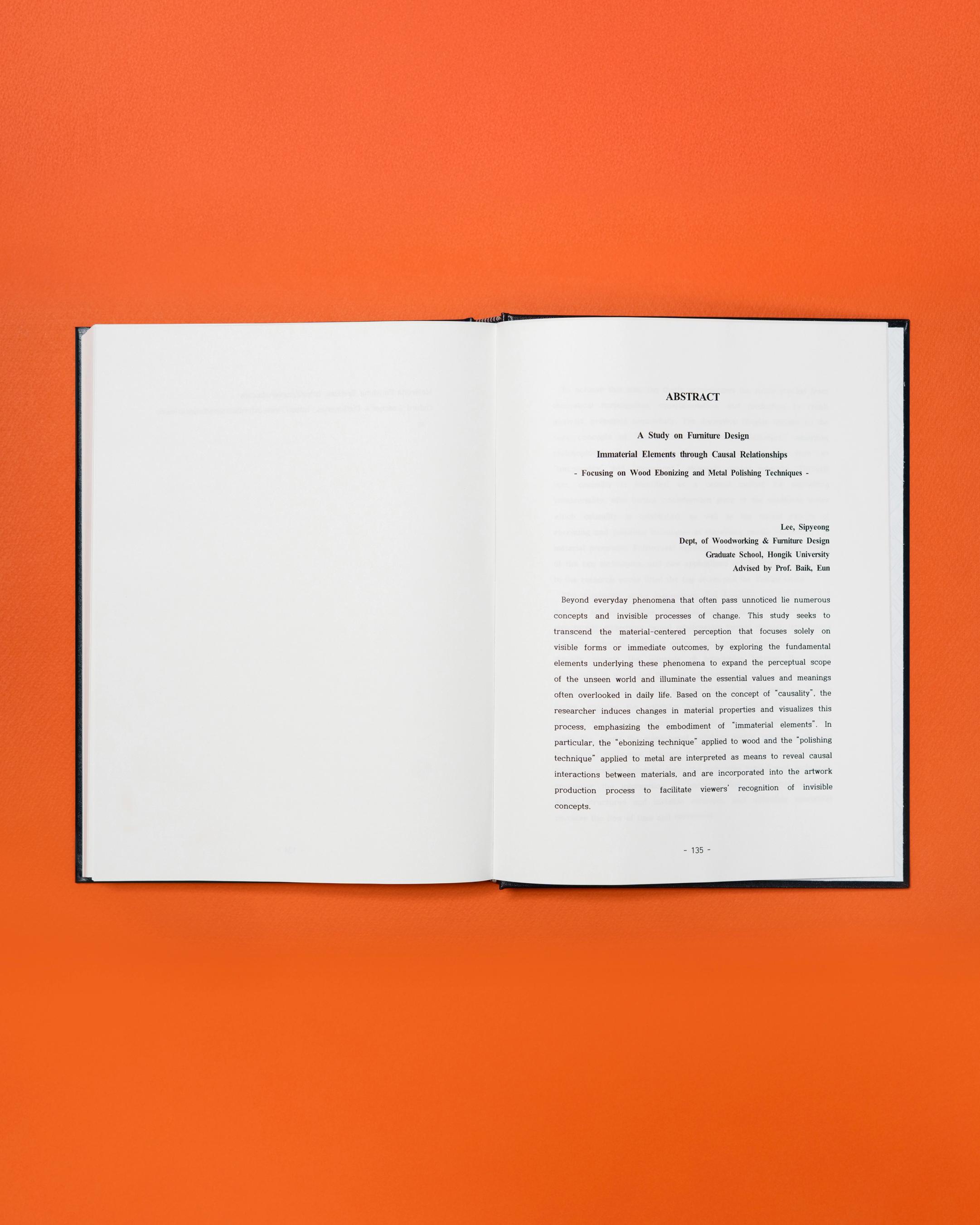
Beyond everyday phenomena that often pass unnoticed lie various concepts and invisible processes of change. This study moves beyond a material-centered perception focused on visible forms and immediate outcomes, exploring the fundamental elements underlying these phenomena to expand our perception of the unseen and illuminate the essential values and meanings overlooked in daily life.
Based on the concept of causality, the researcher induces changes in material properties and visualizes the process, focusing on the embodiment of immaterial elements. In particular, ebonizing wood and polishing metal are interpreted as means of revealing causal interactions between materials and incorporated into the production process to help viewers perceive invisible concepts.
Amid the pluralizing currents of contemporary art, this study’s discourse on immateriality seeks to evoke the essential concepts and meanings inherent in objects, opening new horizons of sensory experience and contemplation.
인과관계를 통해 비물질적 요소를 표현한 가구디자인 연구
홍익대학교 일반대학원 목조형가구학과 석사학위논문
일상 속에서 무심히 지나치는 현상 너머에는 다양한 관념과 보이지 않는 변화의 과정이 잠재해 있다. 본 연구는 눈에 보이는 형태나 즉각적인 결과에만 주목하는 물질 중심의 인식을 넘어서, 그 이면에 자리한 근원적인 요소를 탐구하여 보이지 않는 세계에 대한 지각의 폭을 확장하고, 일상에서 간과해온 본질적 가치와 그 의미를 조명하고자 한다.
연구자는 ‘인과관계’의 개념에 기반해 소재의 물성 변화를 유도하고, 그 과정을 시각화함으로써 ‘비물질적 요소’를 구현하는 데 초점을 둔다. 특히 목재의 ‘에보나이징 기법’과 금속의 ‘연마 기법’을 물질 간의 인과적 반응을 드러내는 수단으로 해석하고, 이를 작품 제작 과정에 적용하여 관람자가 비가시적인 개념을 인지할 수 있도록 유도한다.
다원화되어가는 현대 예술의 흐름 속에서 본 연구자가 제시하는 비물질성에 관한 담론이 대상이 지닌 본질적 개념과 의미를 환기하며, 풍부한 감각과 사유의 지평을 열어가는 계기가 되기를 기대한다.
A Study on Furniture Design Visualizing Immaterial Elements through Causal Relationships
Master's Degree Thesis, Department of Wood Art and Furniture Design, Graduate School, Hongik Univ.
Beyond everyday phenomena that often pass unnoticed lie various concepts and invisible processes of change. This study moves beyond a material-centered perception focused on visible forms and immediate outcomes, exploring the fundamental elements underlying these phenomena to expand our perception of the unseen and illuminate the essential values and meanings overlooked in daily life.
Based on the concept of causality, the researcher induces changes in material properties and visualizes the process, focusing on the embodiment of immaterial elements. In particular, ebonizing wood and polishing metal are interpreted as means of revealing causal interactions between materials and incorporated into the production process to help viewers perceive invisible concepts.
Amid the pluralizing currents of contemporary art, this study’s discourse on immateriality seeks to evoke the essential concepts and meanings inherent in objects, opening new horizons of sensory experience and contemplation.